
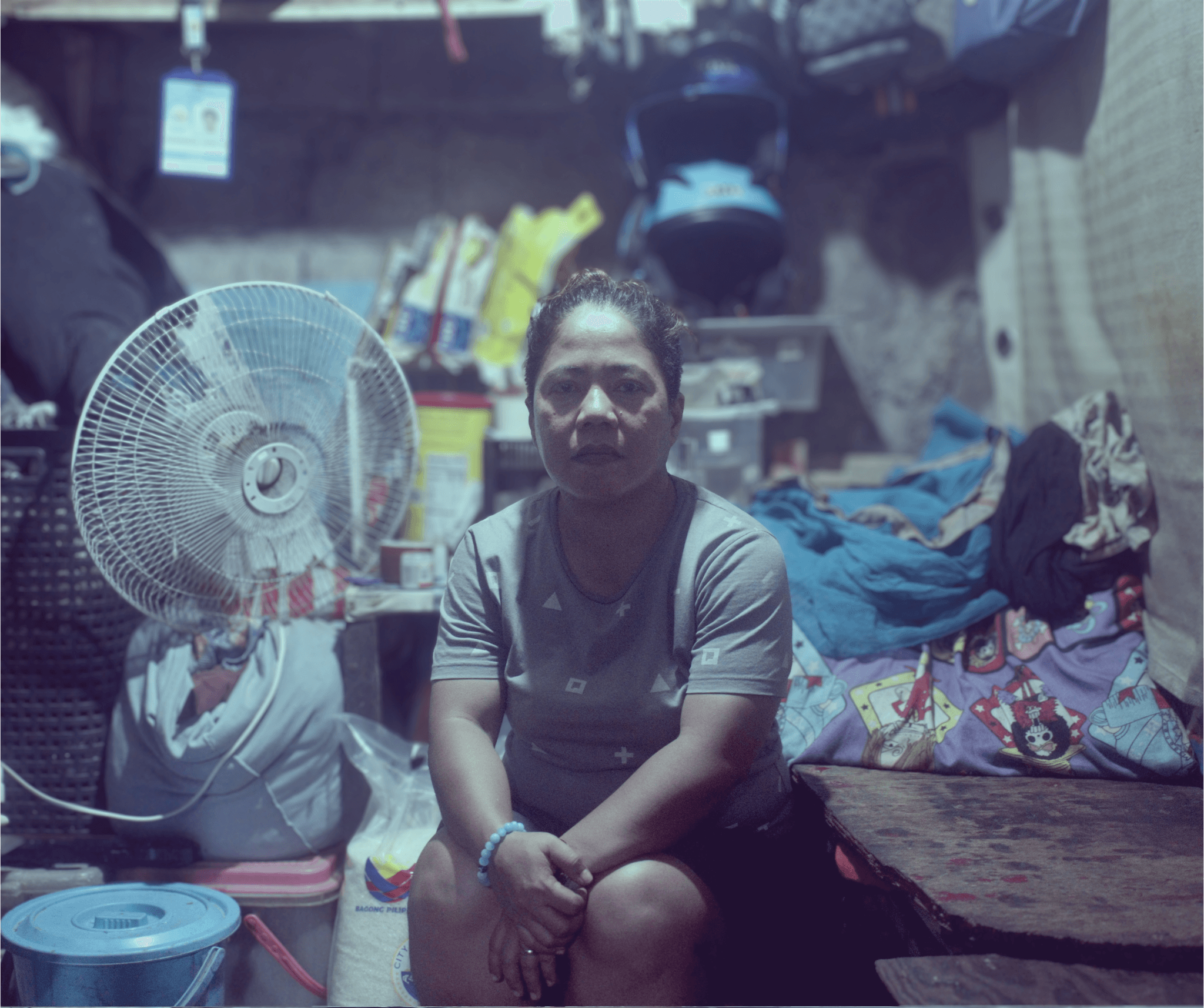
MALABON CITY, Metro Manila — Styrofoam fibers whizz out of a battered refrigerator as Joanna Amican, a 46-year-old waste picker in Malabon, hammers the steel walls and insulation of the appliance to get to the metal pipes to sell later.
She inhales the fibers, far too small to be visible to the naked eye. Other waste pickers breathe in metallic dust or cut themselves on open wounds while dismantling electronic waste with their bare hands. They have done this for decades to sell recycled precious metals, make ends meet, and put food on the table.
Waste pickers in Malabon and other urban poor communities regularly put themselves at risk of metallic poisoning, exposure to biohazardous substances, or electric shock from improperly disposed electronic waste.
"These dangers are not isolated incidents but symptoms of a broader pattern—waste workers fuel the country’s circular economy," but are faced with perennial risks to job and economic security, occupational hazards, and lack of governmental support, exacerbated by increasing toxic waste entry from wealthier countries.
Waste not, want not
Amican started dismantling waste after her husband got into an accident in 2014. She learned the trade by watching him rip apart refrigerators and TVs. Although her husband initially did not approve, poor economic conditions pushed Amican into the informal recycling economy in Malabon, where she juggled multiple responsibilities at the height of her scavenging career.
She would wake up at 5 a.m. every day to prepare food for her husband and two children, then pedal a pedicab up to five kilometers from her house in Brgy. Longos, Malabon City, to buy discarded appliances ranging from P200 to P1000.
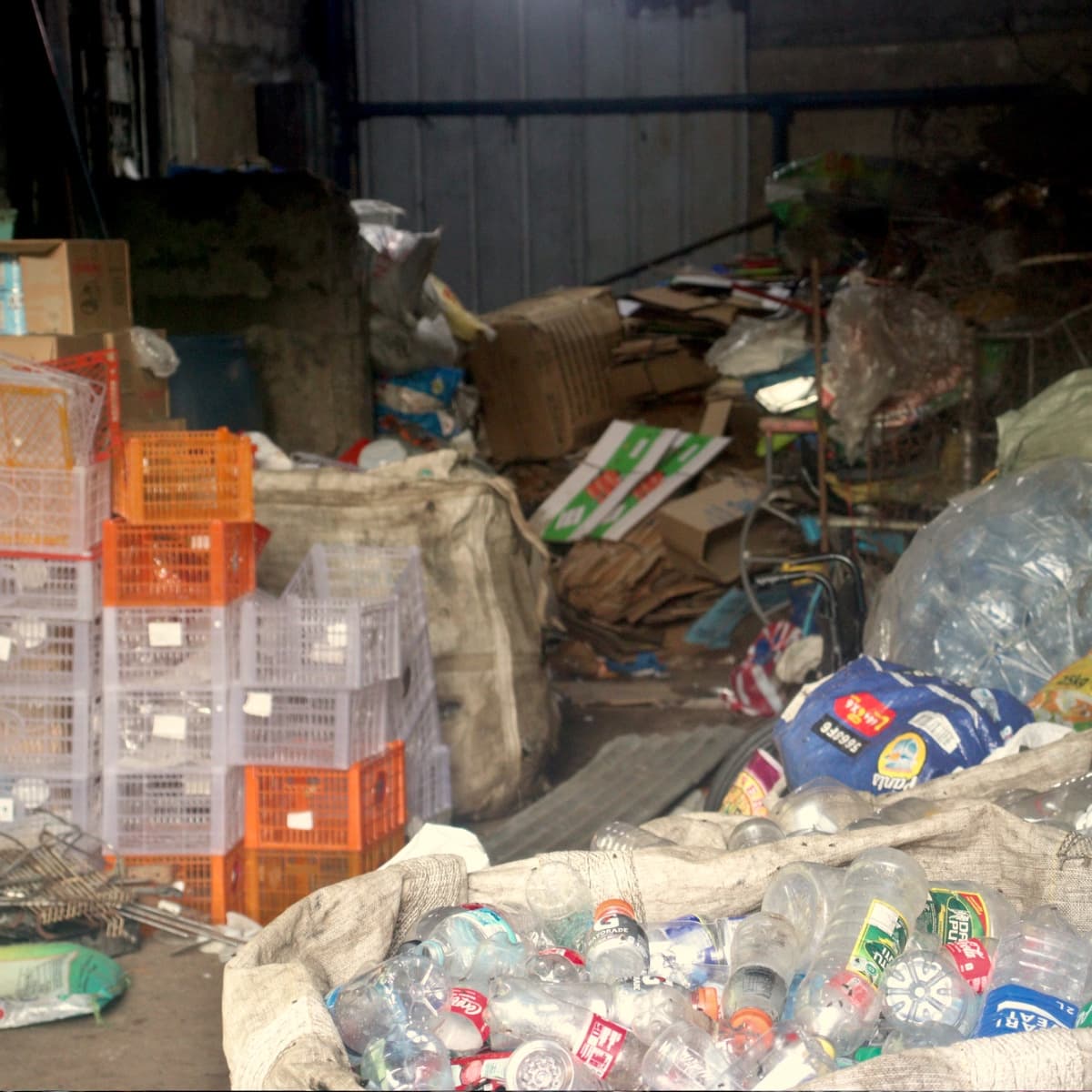
Despite a 2023 tally listing up to 328 formally employed waste workers in Malabon, much of the recycling still happens informally, says Amican. She then dismantles these appliances on narrow streets, where fellow waste pickers bundle components for delivery. By 4 p.m., she segregates the waste into bakal (steel), tanso (copper), and other precious metals, then weighs and sells them to junk shops.
Without access to expensive recycling infrastructure, many waste pickers resort to crude techniques in order to extract these precious metals. They do this by systematically hammering and tearing apart components from various electronics, including copper wiring and metal pipes from refrigerators, electromagnetic coils from microwaves, and delicate circuitry from smart devices like laptops.
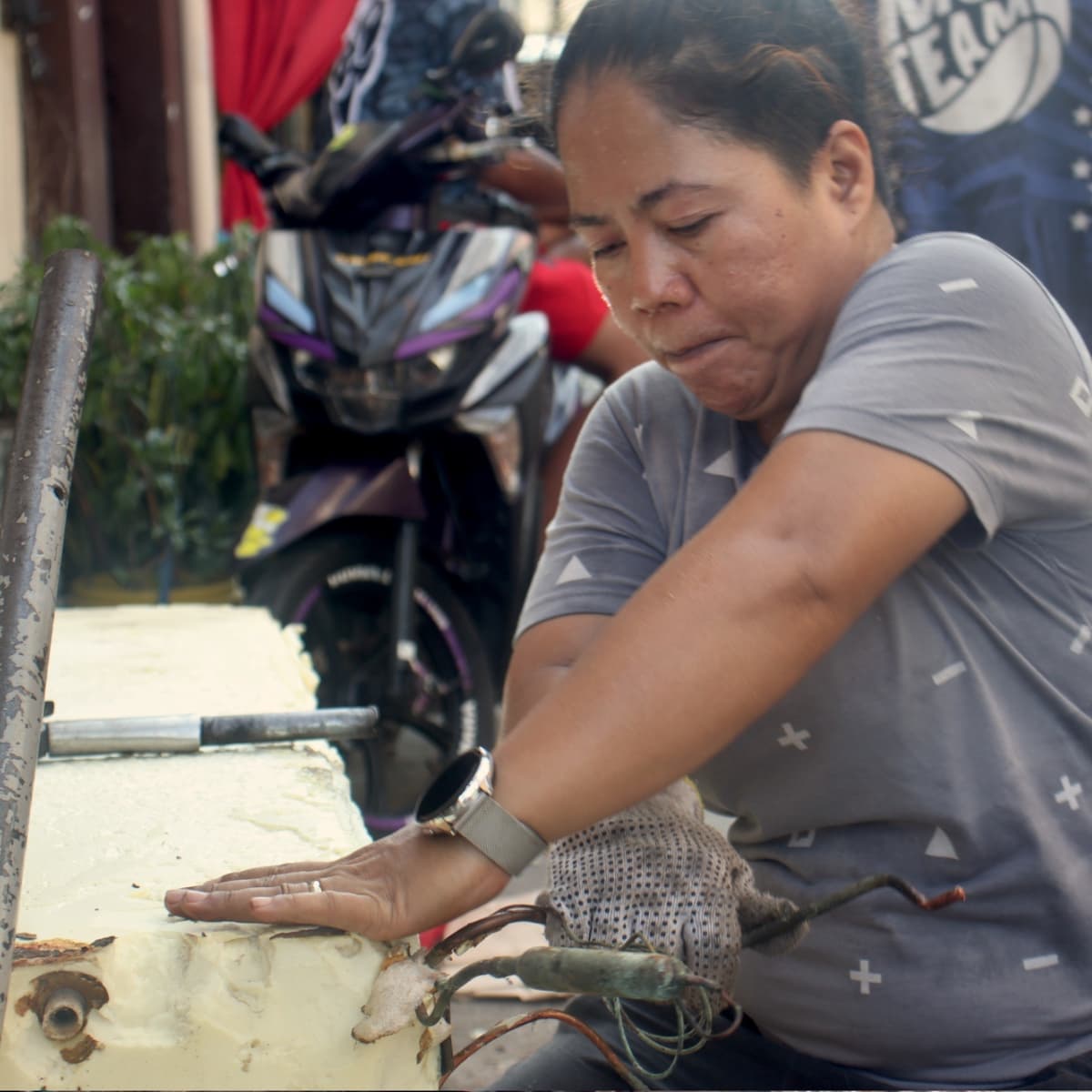
She then has to contend with lowball prices from junk shop owners: For small, irreparable air conditioning units that Amican buys for P500, she can recover only up to P800 in recyclable material, netting her just P300 after more than one hour of backbreaking labor. To make ends meet, they usually dismantle at least two more appliances in the same day.
But sourcing enough appliances for a week’s worth of food is rare. “May araw na zero. Katulad ng asawa ko, apat na araw [ng pagbabaklas] yan, wala talagang kita. Kaya utang-utang kami eh. Tapos ngayon, dalawang araw naman na kumikita” Amican said.
If they don't juggle days without food on the table, health hazards will soon creep up. Physically ripping apart components during the hours-long dismantling process leaves waste pickers' hands with open wounds, cuts, and severe bruises. This sometimes leads to chronic metal poisoning or infections if enough foreign substances enter through the cuts.
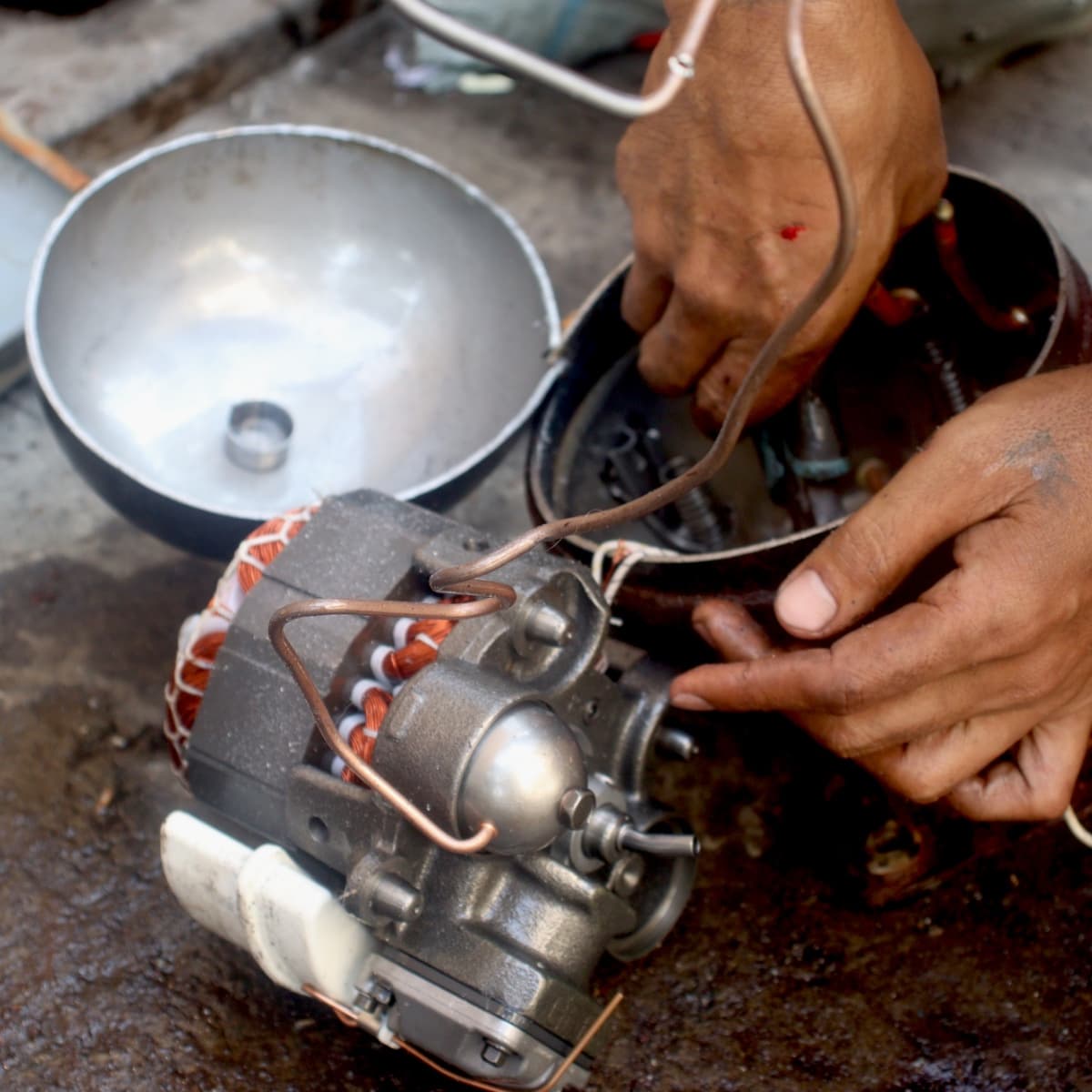
Dangerous e-waste carries immediate and long-term risks for waste pickers. In 2015, attempts to dismantle a large battery resulted in the death of one of Amican’s co-workers: “Sa e-bike, sa e-battery meron. Pagtusok niya, may kuryente pa pala.” Chronic exposure to the same hazards leads to metal poisoning and severe damage to the skin and lungs of many waste workers, including Amican herself, who said that she used to have a louder voice.
But for many waste workers in Malabon, the informal recycling economy remains a viable livelihood option. This has allowed Amican to send two of her children to public schools, while some of her waste worker friends have also helped relatives finish college. “Yung treasurer namin [sa samahan], nakapagpatapos na ‘yan. Journalism. Yung anak niya, cum laude.”
This is also true for many urban communities across the country. Clusters of junk shops outside the walls of the La Mesa watershed in Rodriguez, Rizal are prime recycling centers for plastic bottles, cans, and even industrial materials like steel and rebar. Some of these communities are adjacent to landfills, where they source broken appliances directly.
But government authorities have long persecuted the informal recycling community. Without access to formal recycling programs, police see waste pickers as regular Clean Air Act violators. When Amican and her waste pickers were just starting out, police regularly apprehended them for dismantling refrigerators and air conditioners out in the open.
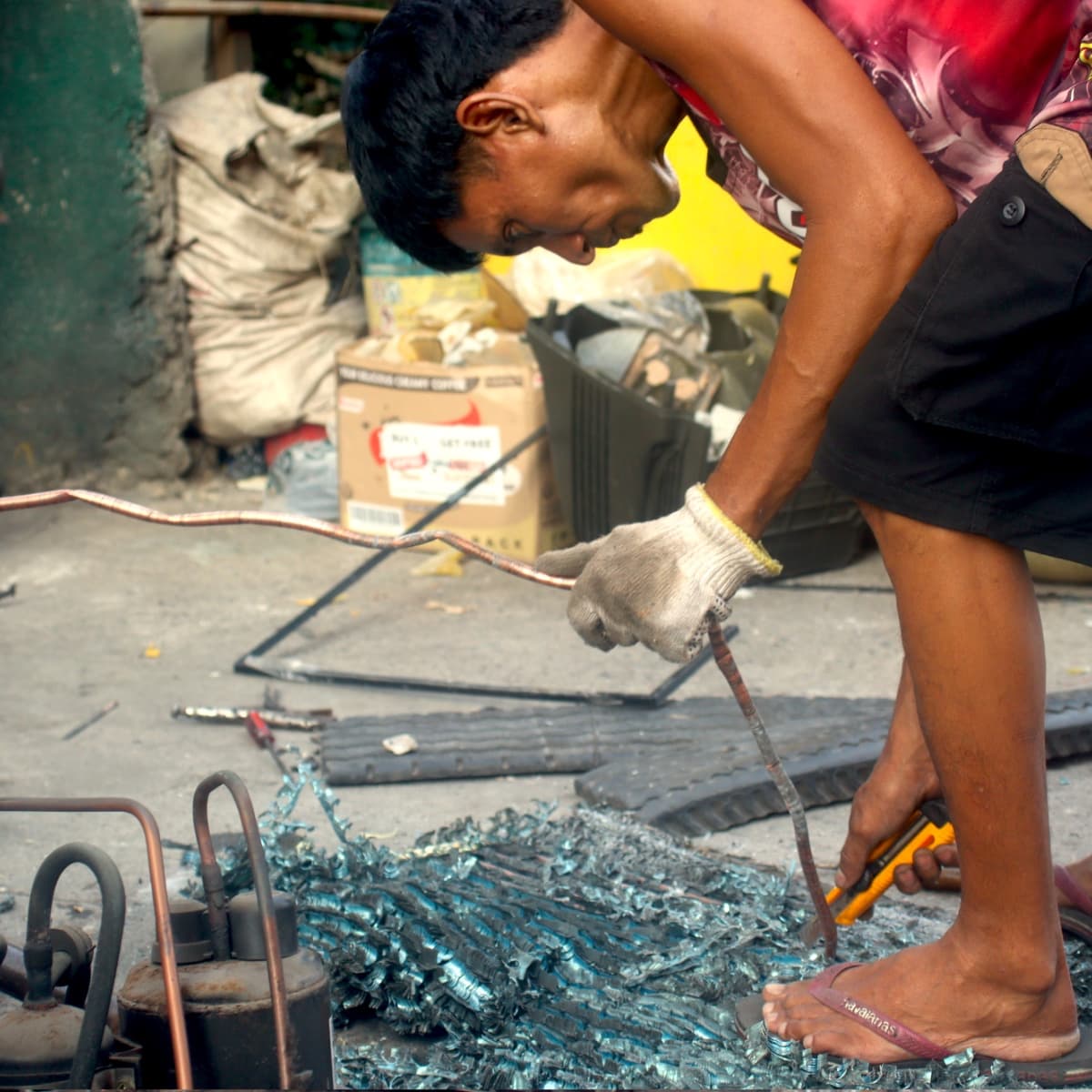
“Hinuhuli kami dahil sa illegal na pagbabaklas kung saan-saan, na ayon sa batas RA 6969, yung Clean Air Act, hindi dapat tayo nagpapausok o nagpapalabas ng hazard o toxic waste sa lansangan,” said Amican. Certain components of these appliances contain freon gas made of ozone-destroying chlorofluorocarbons.
Despite being part and parcel of the domestic recycling sector, government subsidies for advanced recycling technologies are nonexistent. This infrastructure—necessary to safely dismantle air conditioning units and other appliances with freon gas—can help waste workers reduce the amount of electronic waste that ends up in landfills.
These risks are heightened when unregulated waste enters the country. In 1999, Japanese companies illegally dumped 122 containers of biohazardous waste, including used syringes, in the Philippines. Canadian companies did the same in 2013, dumping 103 containers across the Subic Bay Freeport Zone (SBFZ) and the Manila International Container Port.
But not all waste dumping is illegal. The Philippines regularly accepts plastic waste exported by Global North countries, particularly the US. Many of these wastes end up in landfills, where waste workers’ cheap, informal labor replaces formal recycling infrastructure.
“Sa absorptive capacity, meron ba tayong capacity to mag-recycle ng lahat ng e-waste? Ang forefront dito ay ‘yung informal workers. Talagang walang proteksiyon ang mga informal workers. Wala silang infrastructure to begin with kung saan sila pwedeng magbaklas safely,” said Miriam Azurin, the Deputy Director for Campaigns of the Global Alliance for Incinerator Alternatives (GAIA).
These shipments enter the country through deliberately misdeclared shipping containers and are discovered only when Bureau of Customs officers inspect them. They are either stored in warehouses or thrown into landfills.
Critics call the process of developing countries absorbing waste from developed countries waste colonialism. Trade agreements on these wastes legitimize the Global North’s attempts to make developing countries its dumping grounds. The unregulated waste trade may expose waste workers—mostly informal workers with no protections—to greater health hazards.
International safeguards, like the Basel Convention, help regulate hazardous waste transport. Accepting such wastes from non-signatory countries, such as the US, violates the agreement. But the push to create “Basel-free” zones has enabled at least 243 illegal e-waste shipments to enter the SBFZ. Environmental groups like Kalikasan and BAN Toxics decried the legal designation, citing that it cements the Philippines as a dumping ground for wealthier nations.
Taking out the trash
Heightened risks of persecution and exposure to hazardous waste have pushed Amican to form the Pinag-isang Samahan ng Mangangalakal ng Longos at Capulong, an association of waste workers, where she previously served as secretary in 2018 before serving as president during the pandemic years.
The PSMLC has helped galvanize waste workers' demands for recognition, job protections, and even representation in legal matters. This includes calls to pass the Magna Carta for Waste Workers, which secures hazard pay for waste workers and occupational safety programs. “Sana mapirmahan na sa Congress at saka sa Senate kasi ang tagal na. Ngayon, tingnan mo, ang daming landfill na gumuho pero wala pa rin katarungan yung mga namatay doon,” Amican said.
Collective action and pooled resources have also helped settle disputes among policemen and waste workers, such as when Amican visited and negotiated with police forces about four waste workers accused of theft.
Environmental groups, like GAIA, stand with Amican and the PSMLC in establishing dignified and safe environments for waste workers to operate. This necessitates monitoring shipments for possible dumping. Youth groups such as Kabataan Partylist are already pushing for investigations into the 243 illegal waste dumping shipments in the SBFZ.
Much of the country’s recycling falls on poorly regulated waste workers, as tonnes of recycled precious metals cycle through the battered hands of waste pickers to fuel domestic industries. Amican and the establishment of PSLMC are among the first major attempts to legitimize this livelihood, touting it as a necessary component of circular economies.
Amican’s faded voice still echoes against the backdrop of a refrigerator being split apart. She believes in the dignity of her livelihood, joined by many waste workers who have built lives from the income earned by dismantling and scavenging Metro Manila's electronic waste.



Comments