
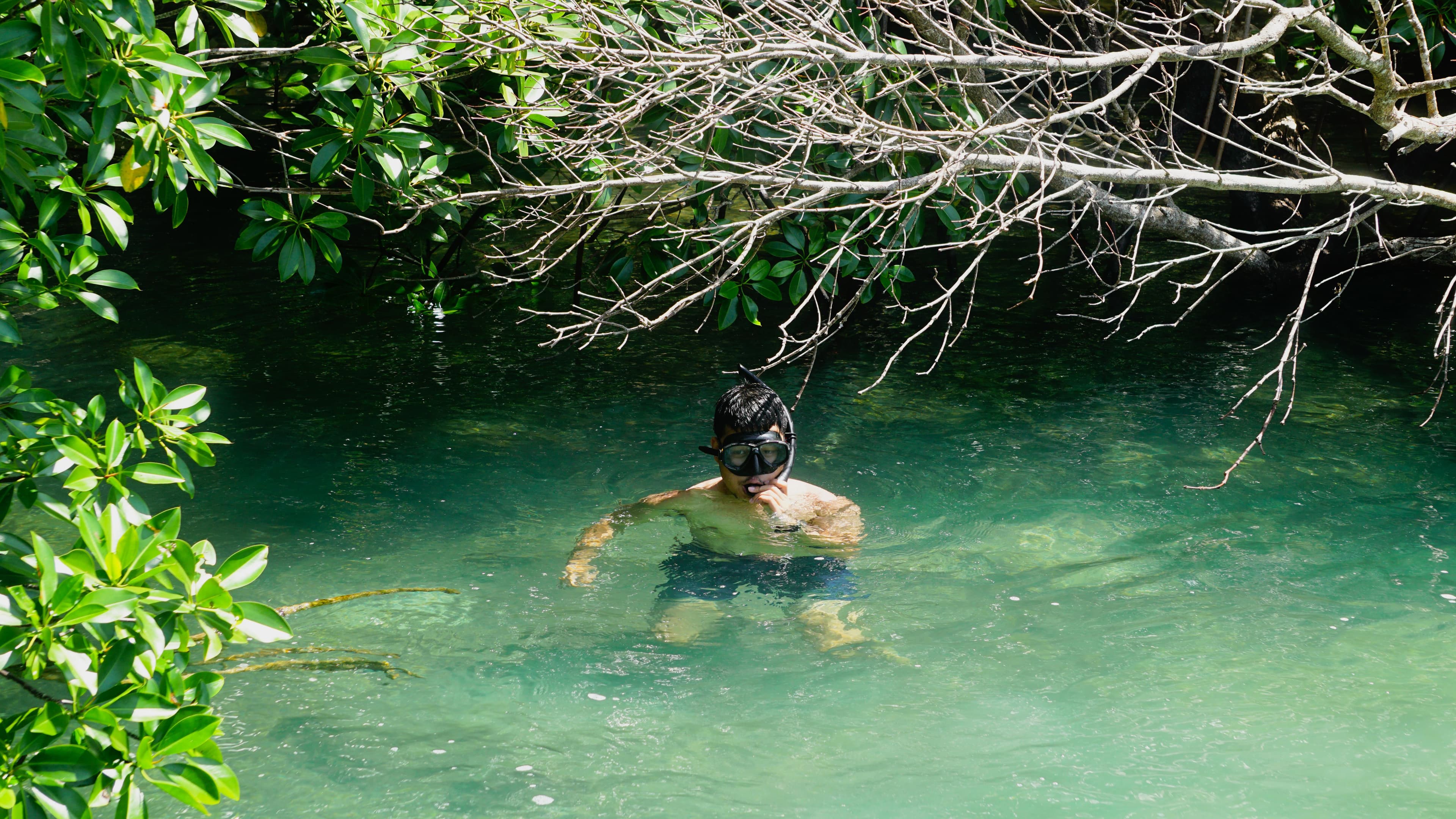
BACOLOD CITY - As a child growing up in the Philippines, I had high hopes of becoming a medical doctor, like many other Filipino children. This stemmed from the belief that being an engineer, a doctor, or a lawyer would make your parents proud, and that society set standards for success based on profession. However, this dream was subtly redirected by something I did not even expect – my fear of blood.
Yes, I am hemophobic. This might psychologically come from an early trauma when I was exposed to blood at a very young age. Given this situation, I wanted to go on a different path, but I also thought this phobia would just eventually fade away.
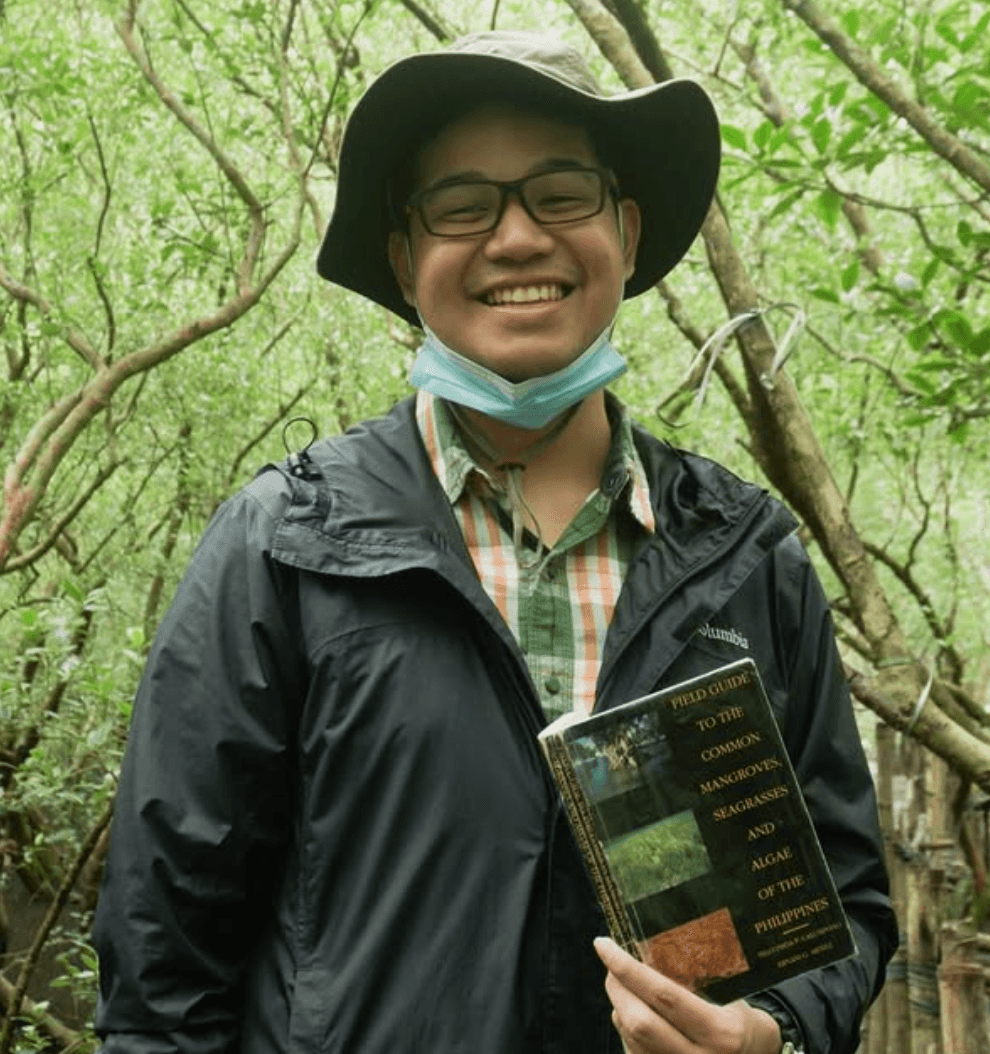
When I was in Senior High School in Bacolod City, I searched for different universities or colleges that offer Biology, unlike Nursing and Medical Technology, which would expose me to blood. Surprisingly, Silliman University visited our campus and advertised that they would offer a Bachelor of Science in Marine Biology for the first time to the pioneering graduates of the K-12 program. This then allowed me to explore the possibility of becoming a marine biologist, which was also a hidden childhood dream of mine.
When I arrived at Silliman University as an undergraduate student, the pandanus and coconut trees of its marine laboratory—where my institute, the Institute for Environmental and Marine Sciences, was located greeted me. There I met remarkable professors in their own fields. I still remember one impactful statement from Dr. Hilconida Calumpong, a marine botanist, during our lectures.
Marine botany is a dying breed.
At the time, I did not fully grasp how those words would influence me. Something about it stayed with me, up until now. Her message motivated me to study marine plants, especially mangroves and seagrasses, which are often overlooked in conservation efforts.
Things changed when the pandemic lockdown happened. Everything was purely online, and even our classes shifted to a digital platform. Because of this, I often found myself doomscrolling on social media, especially Twitter. I noticed something. Science communication on the platform was popular, and I saw how many scientists used it to inform people about their fields of interest. I also connected with local scientists whose incredible work centers on marine science.
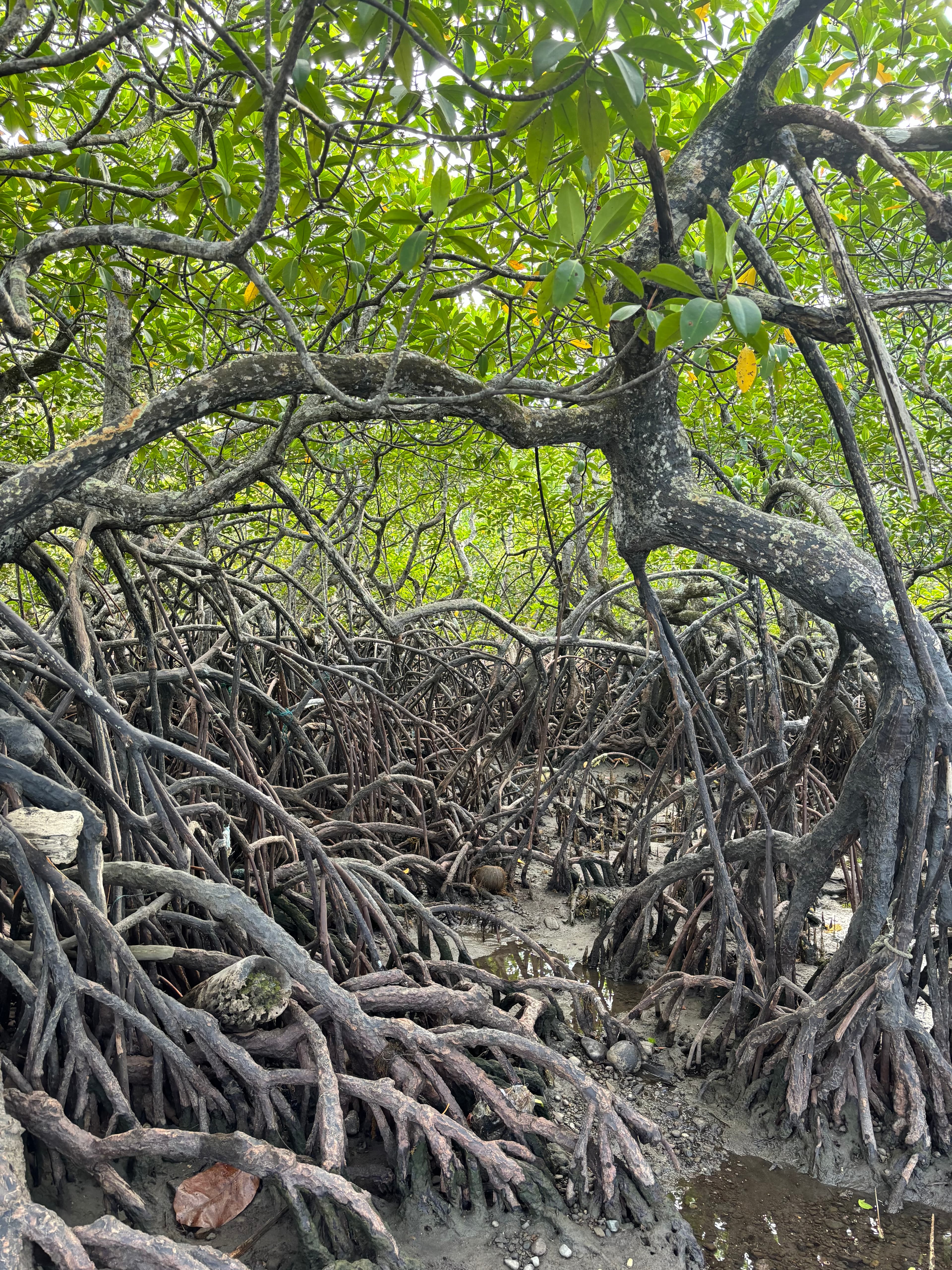
As I scrolled through these conversations, I began to notice that something was missing. People were talking about coral reefs, and they were everywhere. So were climate change, plastic pollution, dolphins, and turtles. I asked myself why no one talked about mangroves. This kept me asking myself for days.
I then asked Myron, a close friend, to create a Twitter account and post tweets about this underappreciated coastal habitat. This then gave birth to Mangrove Matters PH (MMPH).
MMPH's ultimate goal was to mainstream mangrove protection by informing everyone about its importance. Many Filipinos do not know that mangroves provide important ecological and socioeconomic services that promote biodiversity, climate change mitigation, food security, livelihoods, resilience, and coastal protection. These marine plants once covered over 450,000 hectares in the past century, but the introduction of fishponds and weak implementation of existing environmental laws led to their decline. In the 1990s, these threats reduced mangroves to ~100,000 hectares. But currently, there are 314,000 ha of mangroves due to continued restoration efforts and existing laws. However, mangroves are still threatened by anthropogenic pressures such as reclamation, land use, and climate-induced threats despite being protected.
What began as a Twitter account eventually grew into a community of young people dedicated to mangrove advocacy and beyond. Through our efforts to organize the First National Mangrove Youth Summit, we brought 30 Filipino youth together, creating a space and capacity-building initiative for them to become environmental leaders in their own schools, communities, and institutions.
Beyond youth engagement and social media, we promoted campaigns to advance mangrove protection. We met with the Philippine Senate to lobby for the protection of 11 proposed Protected Areas, with support from Oceana Philippines, Global Mangrove Alliance - Philippines, and Wetlands International Philippines. After a series of visits, the Philippine President has signed 7 of the 11 proposed Protected Areas, marking an important step toward the country’s 30x30 goal of protecting 30% of its lands and waters.
Leo, the Executive Director of MMPH, is now leading the youth initiatives of our campaign, Dear Mr. President, in urging President Marcos to make the National Coastal Greenbelt Act urgent. This proposed act mandates the protection, wise use, and restoration of a 100-meter-wide strip of beach forests and mangroves along our islands' coastlines.
Right now, I am at Hokkaido University as a MEXT Scholar studying seagrasses. At first, it may seem like I departed from my first committed advocacy. However, it is not merely a departure at all.
“Our mangroves taught me to appreciate our overlooked ecosystems. Seagrasses are probably teaching me to do the same again.”
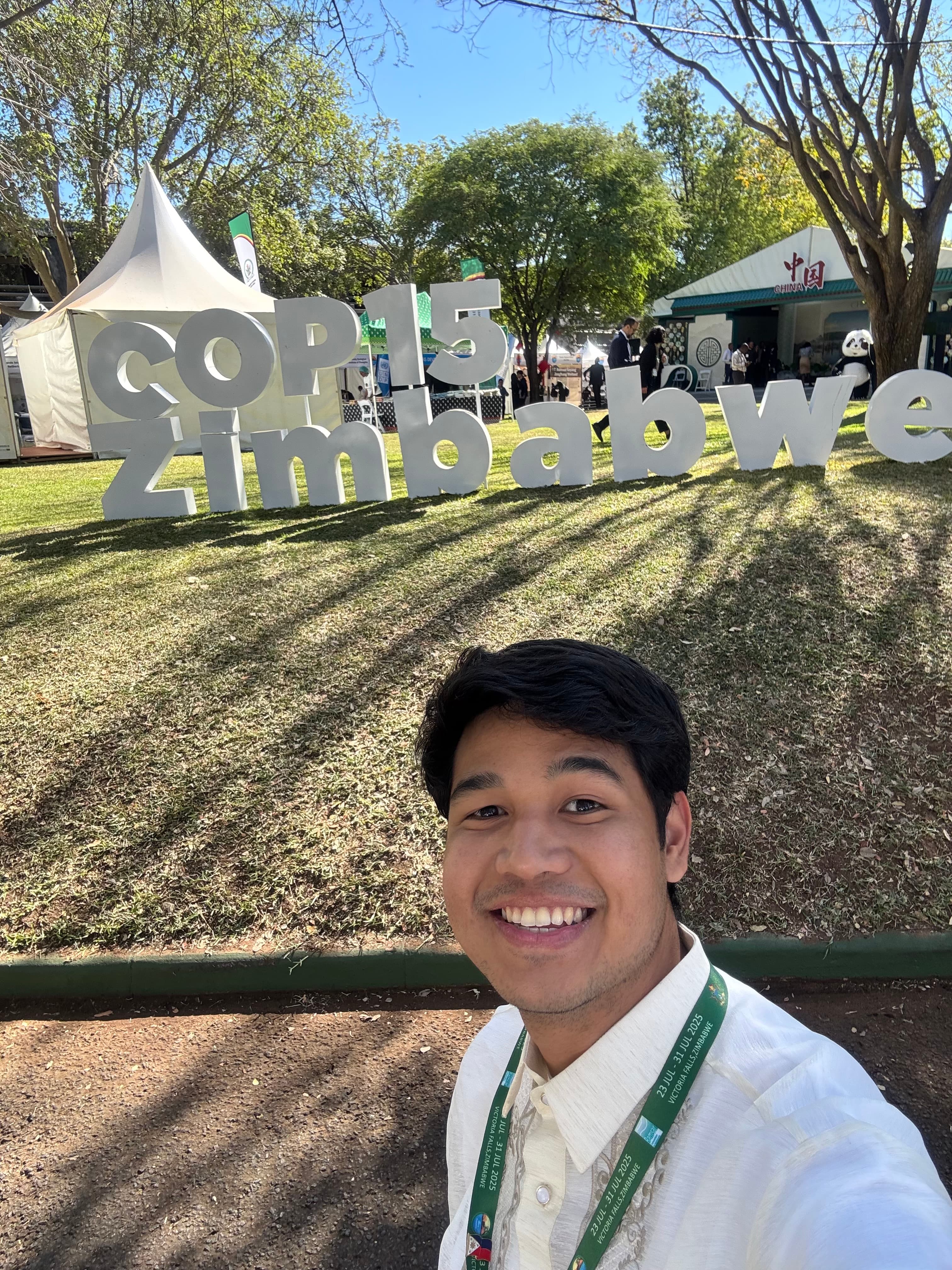
Reflecting on my journey, I don't think these important moments are detours in my life. My fear of blood strayed me away from becoming a medical doctor. A single lecture motivated me to study marine plants. My curiosity during lockdown redirected me toward communicating science. And the advocacy I started has opened doors for me and everyone in the marine conservation landscape.
Perhaps our lives are not linear, and we do not always follow the paths we imagined for ourselves from the very beginning.
Redirection happens, and it can probably lead us to places where we truly belong.

Comments