
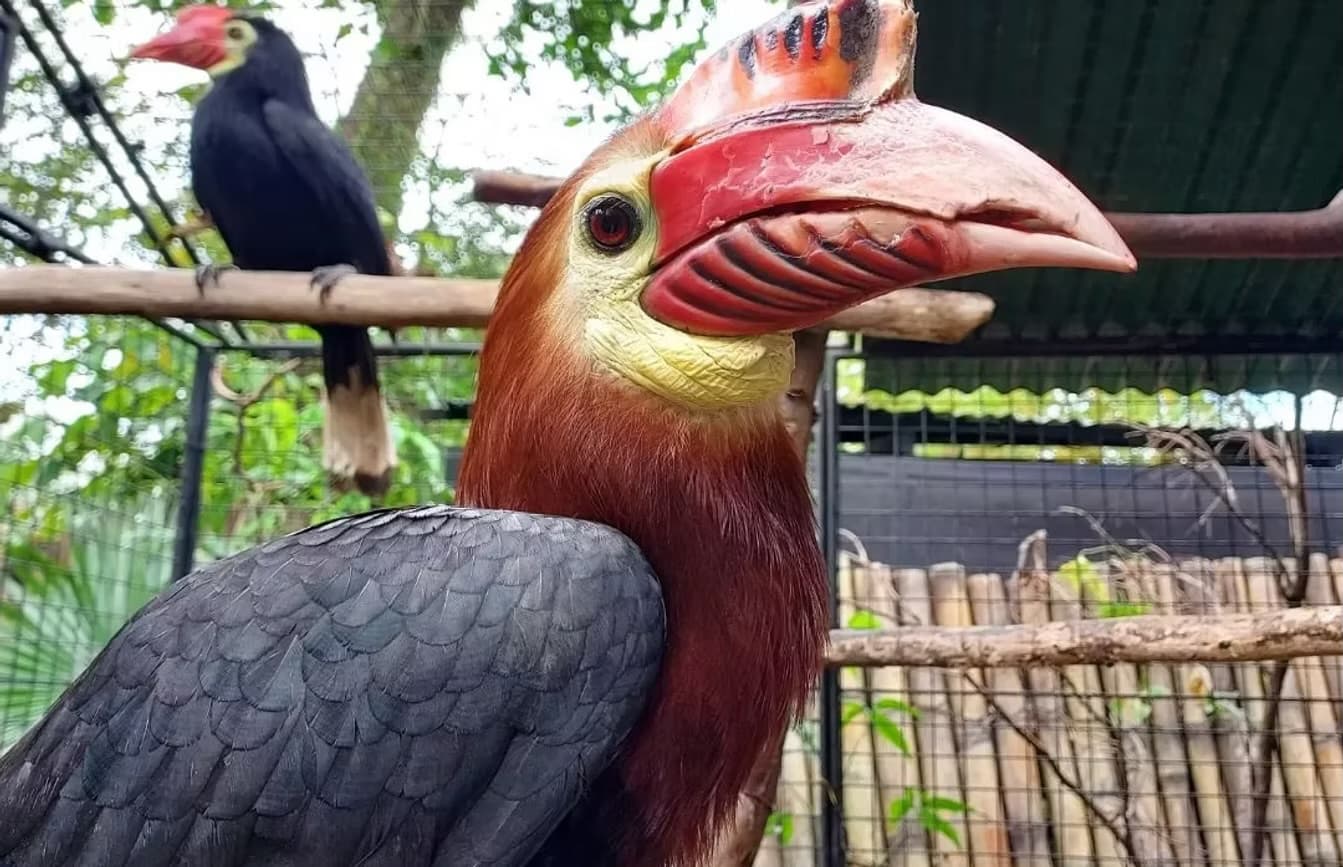
WEST VISAYAS - For terrestrial environmentalists in the West Visayas, collective conservation success is best measured by the status of five key species that face extinction after centuries of human-made threats. Five key species to measure habitat quality and suitability for all other wildlife in the region. These five key species serve as symbols of biodiversity and benchmarks of our dedication to environmental stewardship. These five key species are endemic to the West Visayas and are classified as endangered or critically endangered. While the odds of saving them grow slimmer each day, they are not beyond hope. This gives us a reason to keep trying.
For the West Visayan Faunal Region (comprising Cebu, Negros, Panay, Masbate, Guimaras, and Ticao), saving the ‘Big 5’ is paramount to our work as conservationists.
“Lagsaw” The Visayan Spotted Deer Rusa alfredi (Endangered)
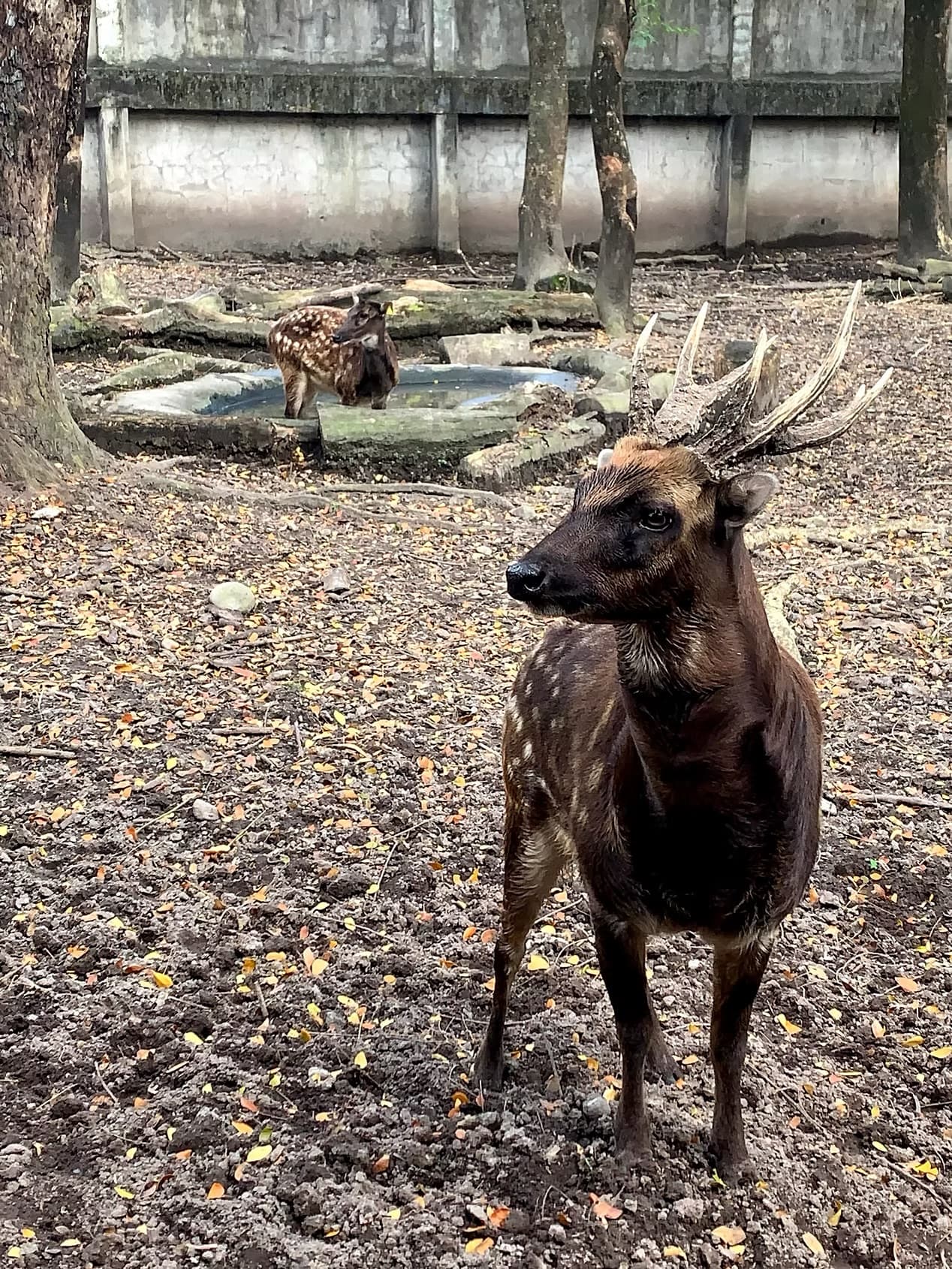
The Visayan spotted deer, locally known as the “Lagsaw” (Bisaya) and “Usa” (Hiligaynon), is considered the rarest and most threatened deer in the world. Decades of human encroachment have fractured or destroyed a staggering 95% of its ancestral territory, driving the species to extinction on three of the five islands it once inhabited. Today, the lagsaw only survives in the wild on the islands of Panay and Negros.
Silliman University and UP researchers have sequenced the first-ever draft genome of the Visayan spotted deer. This advancement strengthens conservation efforts by enabling field teams to assess wild deer populations for health. It also benefits captive breeding programs by reducing inbreeding and maximizing the fitness of future generations.
At the Talarak Foundation, our in-situ rewilding program at the Bayawan Nature Reserve has successfully established a thriving population of ~70 lagsaw. Lagsaw can occasionally be seen roaming the Bayawan Nature Reserve, while tracks, foraging signs, and other evidence of their presence are found throughout the area. Our camera traps also regularly capture the deer exhibiting natural behaviors, providing strong evidence of a thriving and self-sustaining population within the protected area.
“Bakatin” The Visayan Warty Pig Sus cebifrons (Critically Endangered)
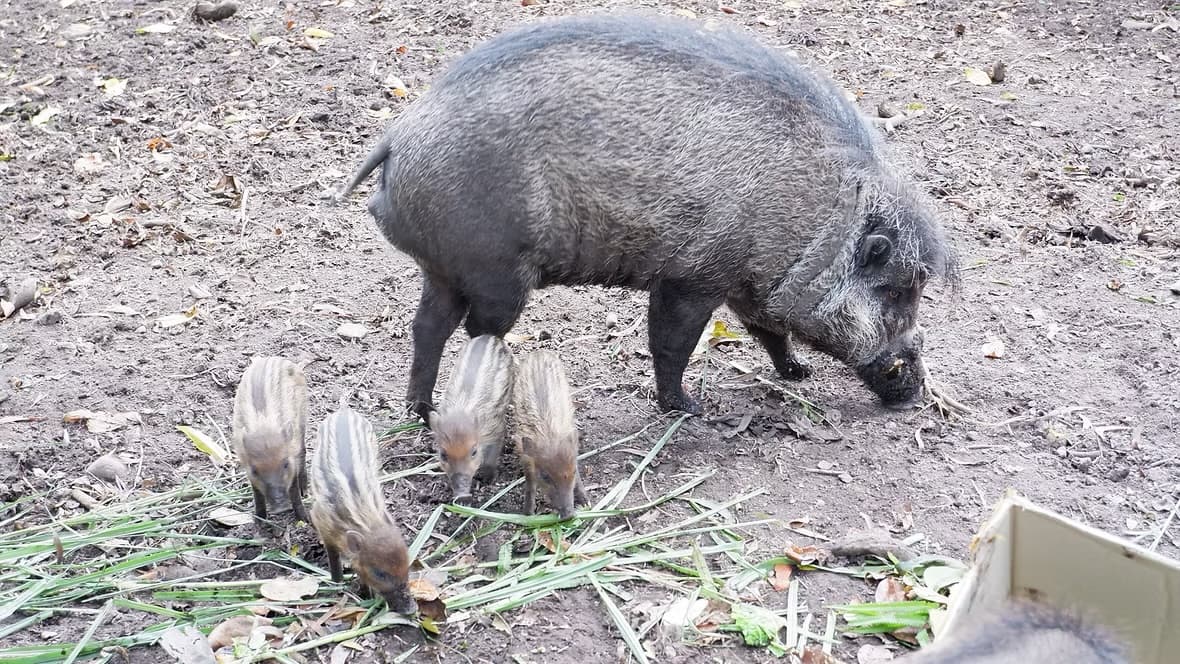
There are only six critically endangered Philippine terrestrial mammals on the IUCN Red List, and one of them joins our West Visayas Big 5. Locally known as the “Bakatin” (Bisaya) and “Baboy-Talunon” (Hiligaynon), the Visayan warty pig is the region's second-largest mammal. Although the bakatin once roamed the entire Visayas, it has been driven to extinction in Cebu and Guimaras. Today, the Visayan warty pig survives exclusively in the wild on Panay and Negros with less than 4% of its original habitat remaining.
The Bayawan Nature Reserve represents 300 hectares of protected habitat for the bakatin. Secondary signs can be found throughout the reserve, and evidence of a booming population is seen in camera trap footage, including mothers with their wild-born offspring.
“Badlitan” The Negros Bleeding-heart Gallicolumba keayi (Critically Endangered)
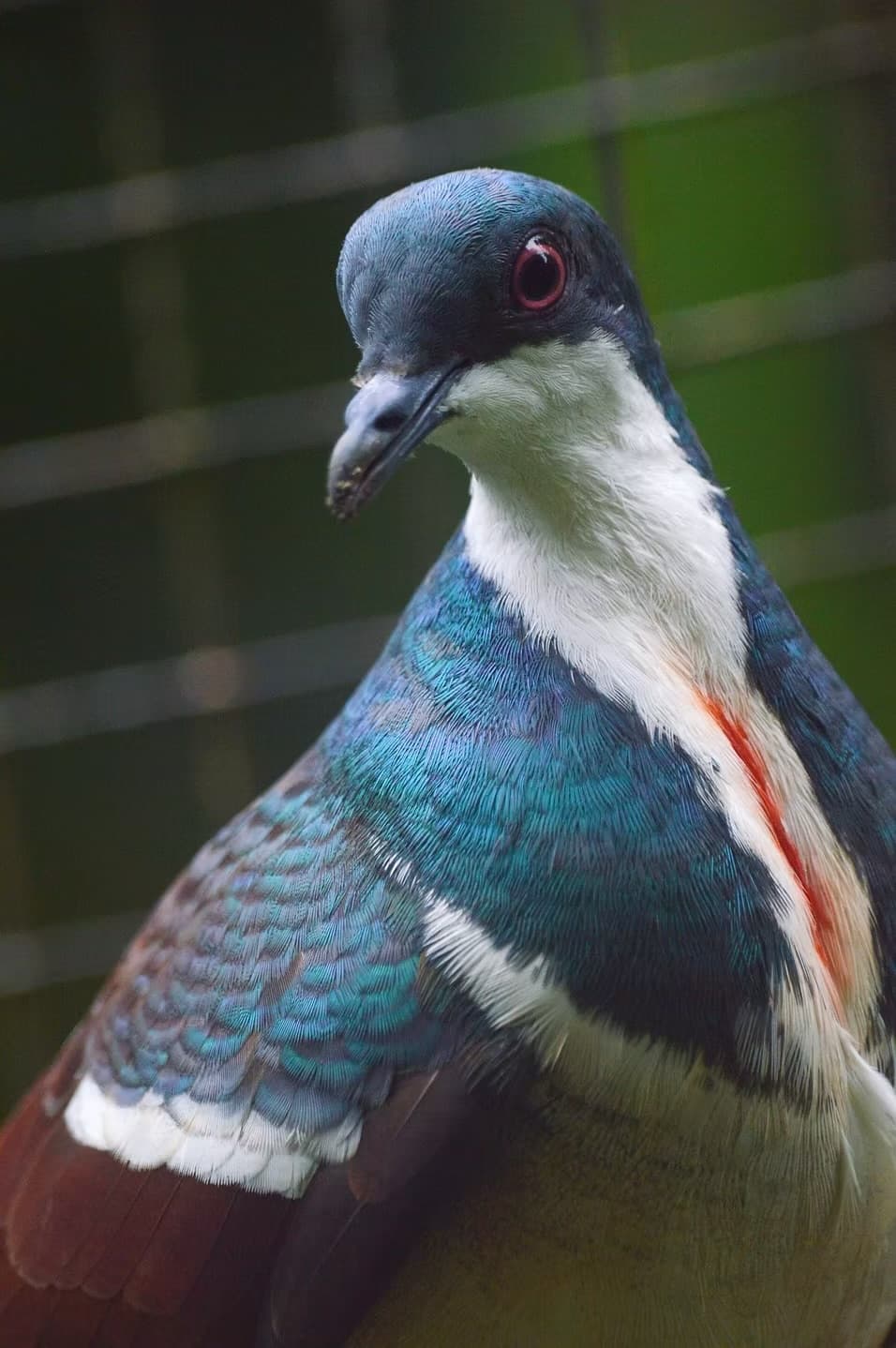
A striking crimson breast patch that resembles a long wound, inspiring both its common and local names, the Negros Bleeding-heart, locally known as the “Badlitan,” is one of the Philippines’ rarest birds and is currently found only on the islands of Negros and Panay. This elusive forest pigeon is heavily threatened and has suffered severe population decline due to habitat loss, forest fragmentation, and hunting. Leaving only small and isolated populations in the wild.
The Talarak Foundation works with Silliman University (Negros Island) and the Mandai Wildlife Group (Singapore) to breed and maintain the world's only captive population of this species. With help from Toledo Zoo (United States), Talarak has developed a release program for captive-bred bleeding hearts to repopulate the seemingly lost Negros population. These efforts are at the forefront of conservation for this species, and the future is bright.
Talarak’s in-situ site, the Bayawan Nature Reserve, has become an important rewilding site for the Negros Bleeding-heart (NBH), with three release efforts conducted in the last 3 years. Through continued post-release monitoring, released pigeons have been observed adapting to the reserve, providing valuable insights into their behavior and survival in the wild. Most encouragingly, breeding has been documented, with a pair successfully laying an egg and hatching a chick in the wild, a sign that the species is beginning to establish itself within the reserve. Although the fledgling did not survive due to severe weather, the nesting attempt marks an important milestone in the species' recovery. More recently, another egg was laid in our NBH soft-release enclosure, offering further hope that ongoing conservation efforts are moving in the right direction.
“Tarictic” The Visayan Hornbill Penelopides panini (Endangered)
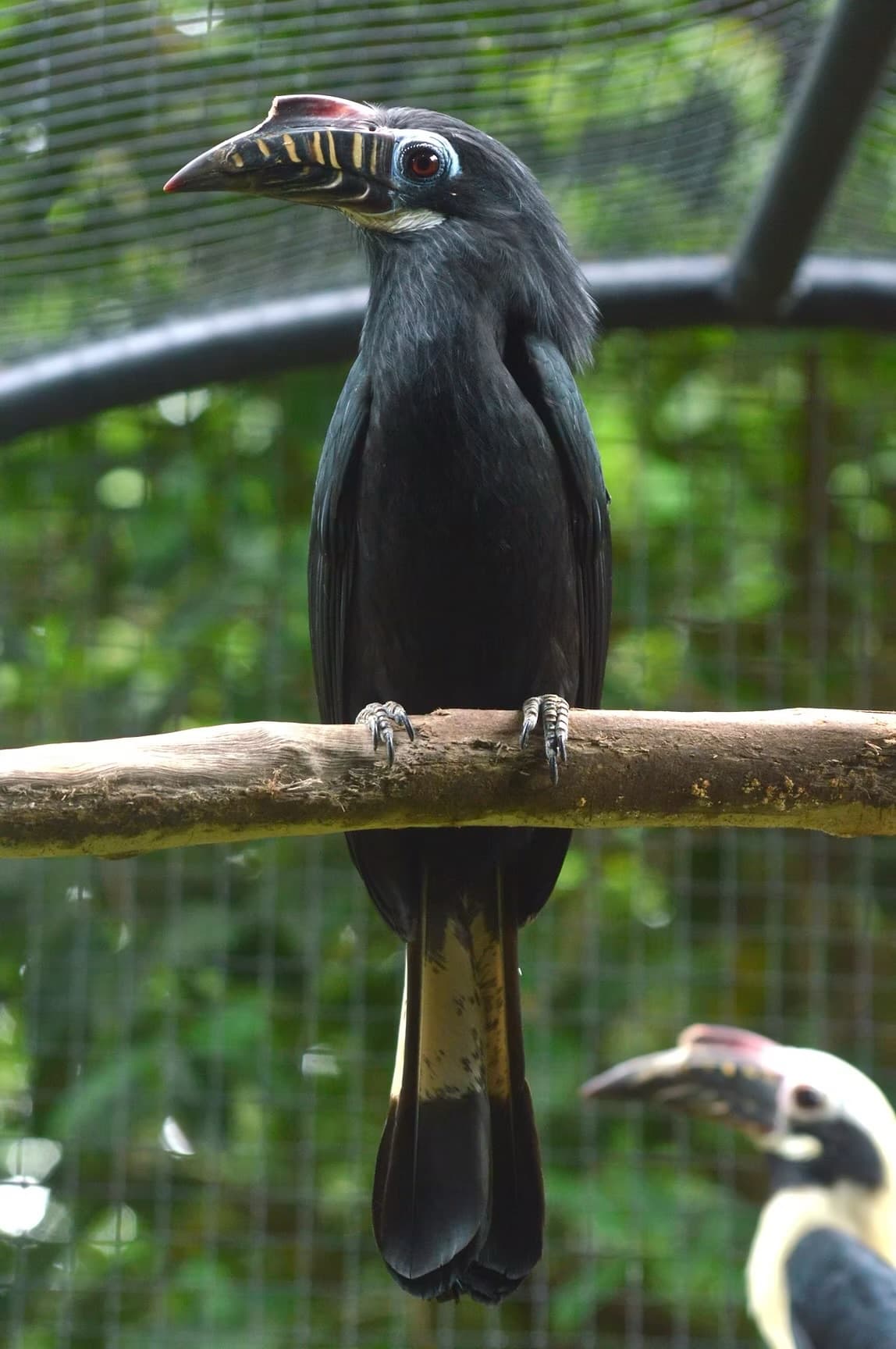
The Visayan Tarictic Hornbill, locally known as the “Tarictic,” is one of Negros Island's most important forest birds. As a highly capable seed disperser, the tarictic helps regenerate native forests by carrying and depositing seeds far from their parent trees. However, decades of habitat loss, forest fragmentation, and hunting have caused populations to decline; the loss of large, mature trees has reduced the natural tree cavities essential for nesting and raising their young.
To address these challenges, the Talarak Foundation has worked to secure the future of the tarictic through captive breeding, habitat protection, and reintroduction efforts. The Foundation has also installed artificial nest boxes, providing breeding pairs with alternative nesting sites where natural tree cavities have become scarce. Breeding pairs of captive-bred and wild-born tarictic have successfully fledged using artificial nest boxes in the Bayawan Nature Reserve, a great sign for the viability of the Talarak Foundation’s tarictic captive-breeding programs. Carefully managed releases and research conducted by the Bayawan Nature Reserve team help improve the species' chances in the wild.
Released hornbills continue to be monitored as they establish themselves within the reserve, while the artificial nest boxes are also monitored for signs of occupancy and breeding activity. As these birds reclaim their place in the forest, they once again fulfill their role as nature's gardeners, helping restore the forests of Negros one seed at a time.
“Talarak” The Rufous-Headed Hornbill Rhabdotorrhinus waldeni (Endangered)
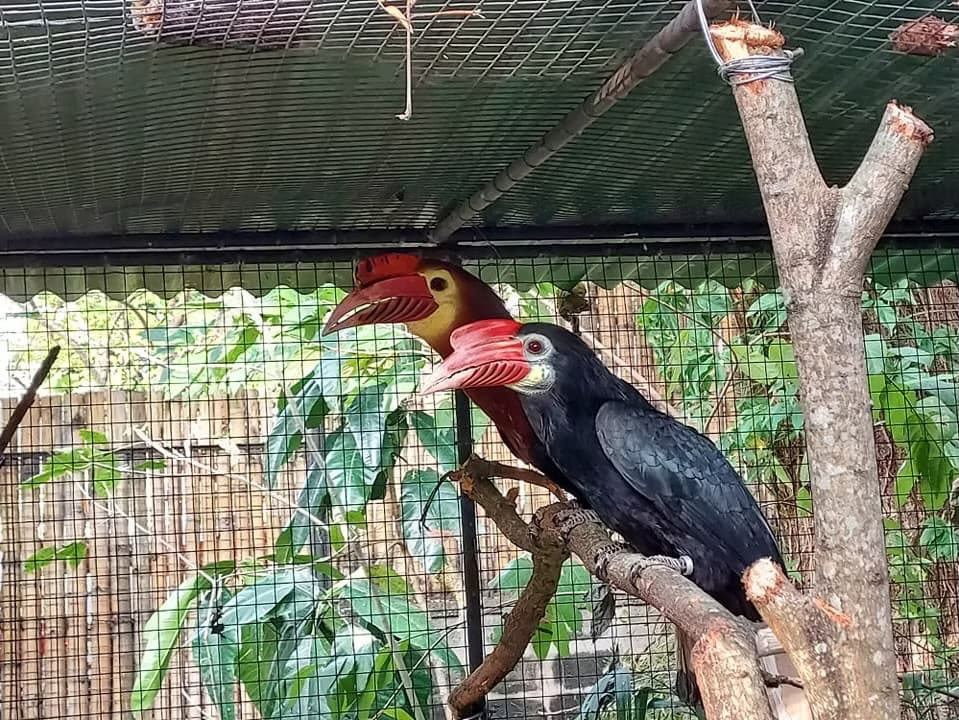
The final species of our ‘Big Five,’ and the namesake of the Talarak Foundation, the Rufous-headed Hornbill, locally known as the “Talarak,” once soared throughout lowland forests of Negros and Panay. Today, habitat loss, hunting, and the loss of large nesting trees have confined this magnificent hornbill to fragmented forests, making it one of the Philippines' most threatened endemic birds.
To help secure the species' future, the Talarak Foundation has focused on establishing a healthy, genetically viable conservation breeding population. These efforts aim to build a strong assurance population that will support future reintroduction initiatives.
Unlike the Visayan Tarictic Hornbill, the Rufous-headed Hornbill has not yet been reintroduced into the Bayawan Nature Reserve. Before releases can begin, teams must identify and assess suitable nesting habitat, as breeding depends on large tree cavities larger than the tarictic's nests.
Help Save the West Visayas ‘Big Five’
Saving the West Visayas ‘Big Five’ requires a mountain of effort and dedication. The endeavor always needs more—more people, more resources, and more attention. The trend of extinction has slowed over the years, and maybe we’re headed in the other direction. You can support rewilding efforts of the Big Five by sponsoring programs through the Talarak Foundation. Please reach out to us for partnership and collaboration opportunities.
"This story was contributed by Talarak Foundation. We always look forward to curating the best stories out there and hearing from you. Feel free to send in your stories here.”

Comments