
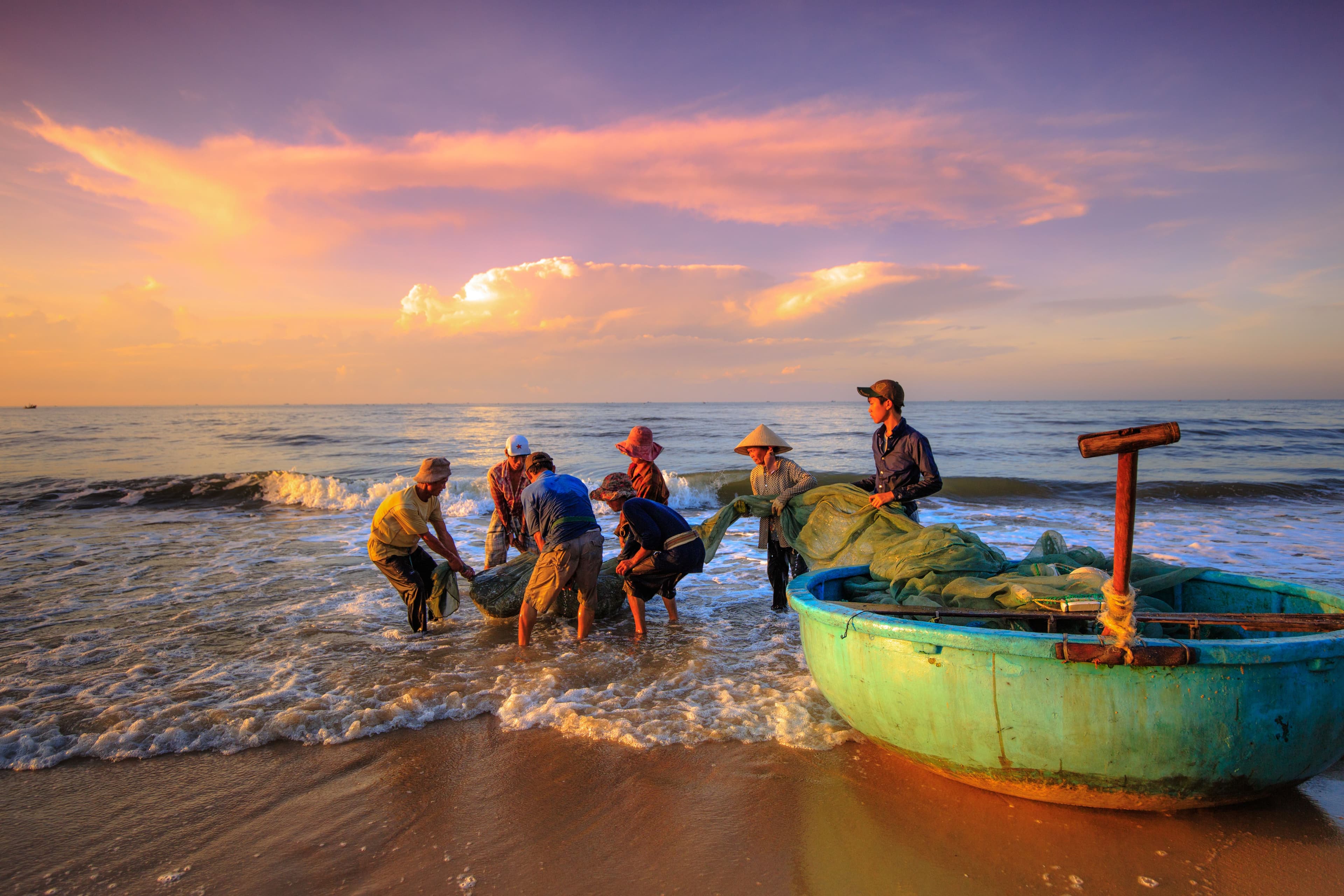
PALAUIG, Zambales - “Wala silang ibang pagpipilian kung hindi gawin kahit mali. Kasi may panahong mahina talaga ang huli ng mga isda sa dagat. Maghapon na sa laot pero uuwi minsan na walang huli, walang maipakain at gastos sa kani-kanilang pamilya,” said Belty Cesar Amlog, 74, a fisherman in Palauig, Zambales for more than 50 years.
Strolling the great, deep blue seas of the Philippine archipelago has been the primary source of livelihood and survival for most Filipinos, until the tagged “Center of the Center of Marine Biodiversity” faced sudden torture and abuse in a deceptive twist of events.
Sufferings of the sea
As per Section 3 of Republic Act 10654, which amended RA 8550 or the Philippine Fisheries Code of 1998, illegal fishing was defined as fishing activities conducted by Philippine fishing vessels operating in violation of Philippine laws, Regional Fisheries Management Organization resolutions, and laws of other coastal states; hence, it is also any form of unlawful fishing practices by small- and large-scale operators giving grave threats to marine resources, and has been a problem in the Philippines that lacks resources in implementing fishing surveillance and monitoring systems.
Also known as blast fishing, dynamite fishing is a highly destructive and illegal method that destroys the marine habitat, making coral reefs shatter, killing marine creatures indiscriminately via blast explosions of dynamite and other explosives that send shockwaves through the water, affecting food security and the fishing community's livelihood.
In addition, dynamite fishing involves throwing a bottle of explosive dynamite into the water; later, an accomplice uses deep-diving to collect the affected fish, which are then sold in the market.
Reports show that, in a 2019 survey, 40% of the fish caught came from illegal fishing, amounting to an equivalent of Php 62 billion in annual losses. The United States Agency for International Development (USAID) and the Bureau of Fisheries and Aquatic Resources (BFAR) held a September 2020 workshop with the UP Marine Science Institute and Rare Philippines, with more than 100 experts participating.
In recent years, some fishermen have been caught fishing illegally at sea, particularly engaging in dynamite fishing. Meanwhile, this illegal method remains a problem for Zambales fishermen, as numerous cases from 2012 were recorded in published local news articles; it not only weakens fish catches and ruins coral reefs but also endangers wildlife species like green sea turtles.
Violating the code
“Sa tagal na naming nangingisda rito, hindi namin maiiwasang makasalubong o makasaksi ng mga kapwa naming mangingisda sa ibang lugar na gumagawa ng ilegal na paraan ng pangingisda, madalas e paggamit ng dinamita o cyanide sa laot,” said Mang Belty.
Having spent nearly his entire life in a coastal area, Mang Belty endured the relentless heat of the sun while struggling against thirst and hunger with only a Tupperware of packed food and a bottle of water. He shared his story of fishing, his primary source of income to support his family's survival. Through his efforts, he paved the way for his children and grandchildren to receive an education and succeed in life.
“Dahil sa pangingisda, nakapag-aral at nakapagtapos ako ng mga anak ko, at ‘yung mga kinikita ko galing sa pangingisda sa laot ang ginagamit naming panggastos para makaraos sa araw-araw na buhay. Hanggang sa magkaroon na ako ng mga apo, ganito pa rin ang ginagawa ko, pantulong sa gastos din nila sa eskwela kahit may trabaho na ang ibang anak ko,” Mang Belty said.
Moreover, Mang Belty shared that he once witnessed an illegal fishing method in front of them. “Nasubukan namin noon na maganda ang season ng pangingisda, maraming nahuhuli sa laot, kitang-kita namin ng anak ko noon sa harap namin na may nagtapon ng dinamita. Sa lakas ng pagsabog sa loob ng tubig, halos maitaob yung bangka namin at nakita ko na lang na may mga isdang lumulutang na malapit sa pinangyarihan.”
“Hindi lang sa dagat ang mga may pagyanig na mararamdaman kapag may gumagamit ng dinamita, pati na rin dito sa amin na nakatira malapit sa tabing-dagat. Malalaman na lang namin na may sumabog sa laot, akala mo biglang may dumaang lindol sa ilalim,” he added.
Tatay Belty mentioned that aside from dynamite and cyanide fishing, other forms of illegal fishing are prohibited in their coastal area called kurokod – where the holes of the gill nets used were small in size, causing the small fishes to be caught off. Illegal fishing also kills sabalo, a full-grown milkfish measuring 60 centimeters in length that is endangered and covered by Fisheries Administrative Order 25, signed in 1975 by the Department of Agriculture (DA) and the Bureau of Fisheries and Aquatic Resources (BFAR).
“Nasisira ang coral reefs sa loob ng dagat, kaya siguro dahilan na rin ng biglang paghina ng huli namin habang lumalaon,” Mang Belty remarked.
More than 90 percent of Zambales reefs are recorded as threatened, with 70 percent at high or very high risk, due to unsustainable practices such as blast fishing and cyanide fishing, which are considered the largest contributors to coral reef destruction.
Marine stewards in action
With these serious matters that affect coastal communities, marine experts are now working to find ways to develop alternative livelihoods in fishing.
“Sa MSI, ito ang ginagawa namin. We are trying to find ways to teach them to be more sustainable in fishing, guided by the Fisheries Code,” Dr. Deo Florence Onda, a marine scientist from UP Marine Science Institute, said in a video lecture about marine biodiversity.
Dr. Onda explained that as marine scientists, they were tasked to understand how and where the conflicts and risks came from and went, and what the alternative solutions would be from the research they are working on.
In addition, Dr. Onda became the chief scientist of the project PROTECT WPS (Predicting Responses between Ocean Transport and Ecological Connectivity of Threatened Ecosystems in the West Philippine Sea), funded by the Department of Environment and Natural Resources – Biodiversity Management Bureau (DENR-BMB), whereas his team conducted a research expedition in the Kalayaan Group of Islands, understanding the threatened marine biodiversity changes that are occurring, and he mentioned that they will do the said expedition this year for its second part.
In previous reports, USAID pointed out the need for a strong, responsive structure to promote fisher compliance with laws and regulations, and that eliminating this problematic fishing practice requires a whole-of-society approach guided by science.
BFAR Director Eduardo Gongona shared that the government is finding ways to address the issue through the ongoing development of an IUU Fishing Index and Threat Assessment Tool, which will soon be adopted by the Fisheries Management Areas in Zambales.
“This tool will provide us with periodic information needed to identify other ways to encourage voluntary compliance, strategically guide law enforcement operations, and communicate our progress in reducing IUU fishing in the Philippines,” Gongona added.
Aside from the marine experts and specialists, the municipal and provincial fisherfolk communities in Zambales are extending their course of action to help conserve, preserve, and protect the raging blue seas of their hopes.
Joel Santos, being a fisherman for a long time, had been a member of the Provincial Anti-Illegal Fishing Task Force of Zambales for a term of three consecutive years from 2016 to 2019, serving and keeping Zambales' seas free from harmful and destructive fishing.
“Bilang mangingisda, naging kasapi ako ng task force para sa anti-illegal fishing. Ang gawain doon ay nagroronda kami, mapadagat o dito sa lupa, sa mga market o pamilihan, tinitingnan namin kung may nagtitinda ng mga isdang naputukan [ng dinamita]. Nanghuhuli rin kami ng mga gumagawa ng ilegal na paraan ng pangingisda, nagpapatrol din kami sa laot dahil may mga pagkakataong sumasalisi ang iba na gumawa ng hindi maganda sa laot,” Mang Joel explained.
Furthermore, Joel also expressed that municipal areas also have their headquarters that guard the fishery management areas called “Bantay-Dagat,” protecting fish sanctuaries.
This article was first written by Rose Ann Amlog from Zambales as a final requirement of AYEJ.org and the US Embassy’s “Green Beat Islas: An Online Environmental Journalism Training" in 2021.

Comments