
PASIL, Cebu City - On Jan. 8, 2026, a section of the Binaliw sanitary landfill collapsed, burying dozens of people beneath tons of waste and claiming 36 lives. The towering waste mound, which had accumulated Cebu City’s garbage for years and reportedly reached the height of a 20-story building, became the site of one of the city’s deadliest waste-related disasters.
For many, the disaster laid bare the consequences of years of mounting waste. But beyond the tragedy itself, it also reopened a long-standing debate in Cebu City: whether the waste crisis is primarily a result of inadequate public discipline or a reflection of deeper challenges within the city’s waste management
Pasil’s waste issue and the controversy over the garbage-dumping video
Months after the Binaliw tragedy, the debate over responsibility continues to play out in public spaces, especially on social media. The debate intensified when Cebu City Mayor Nestor Archival Sr. posted a video of someone throwing garbage directly into the sea in Barangay Pasil.
The post quickly drew public reactions, with many users echoing the familiar call for greater discipline among residents. However, some comments went beyond the incident shown in the video and made broader remarks about Pasil residents.
Several comments from netizens did not simply condemn the act captured in the video; they also made negative remarks that generalized the entire community, associating Barangay Pasil and its residents with disorder and a lack of discipline.
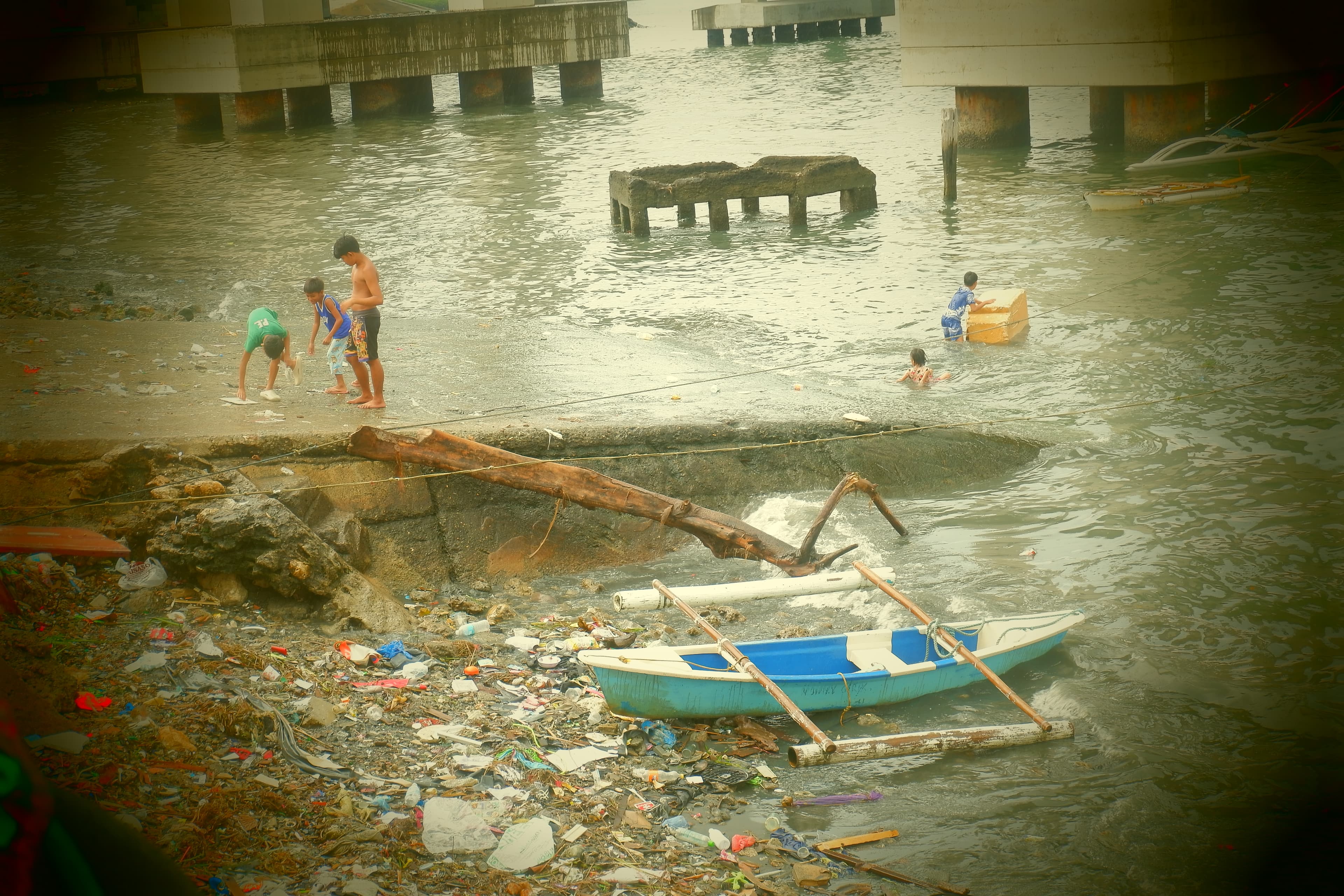
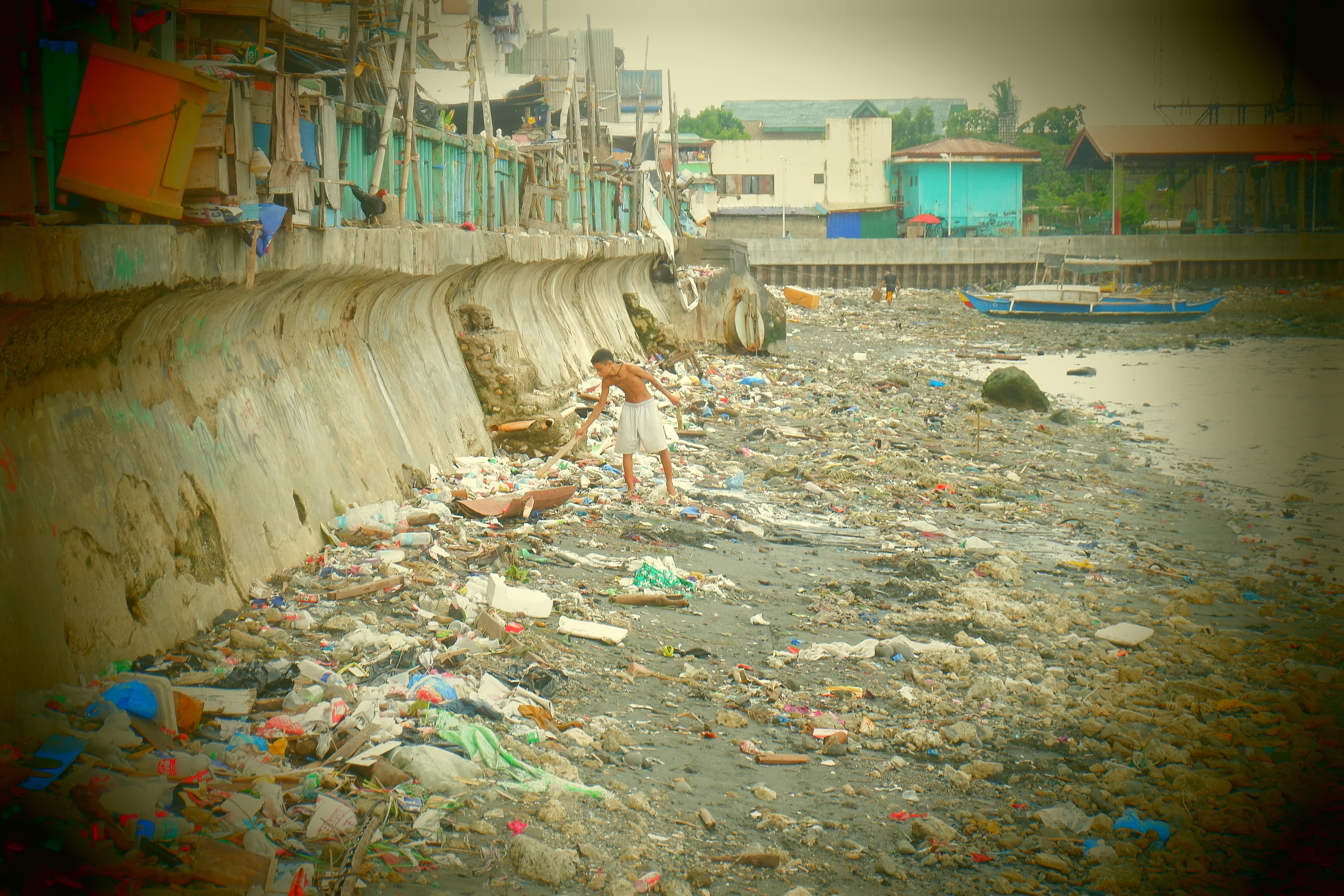
The perception of Pasil as a community associated with waste has been reinforced by the recurring accumulation of garbage along its waterways, as well as by other incidents that have drawn public attention to the area.
Before the incident involving a man seen throwing a sack of garbage into the sea, Barangay Pasil had already drawn public attention during preparations for the 2026 ASEAN Tourism Forum, when large ASEAN-themed tarpaulins were installed along portions of the South Road Properties, including areas near the barangay.
The installations drew public criticism, with some accusing authorities of using the tarpaulins to conceal visible pollution and floating garbage in the area. Some commenters also directed criticism at the community, attributing the area’s condition to what they described as residents’ disregard for proper waste management.
The incident involving a man throwing a sack of garbage into the sea became a tipping point in the growing public discussion surrounding Pasil’s waste issue. While the video showed an isolated act of improper waste disposal, the reactions that followed extended beyond the individual act and placed the entire community under scrutiny.
Pasil’s account
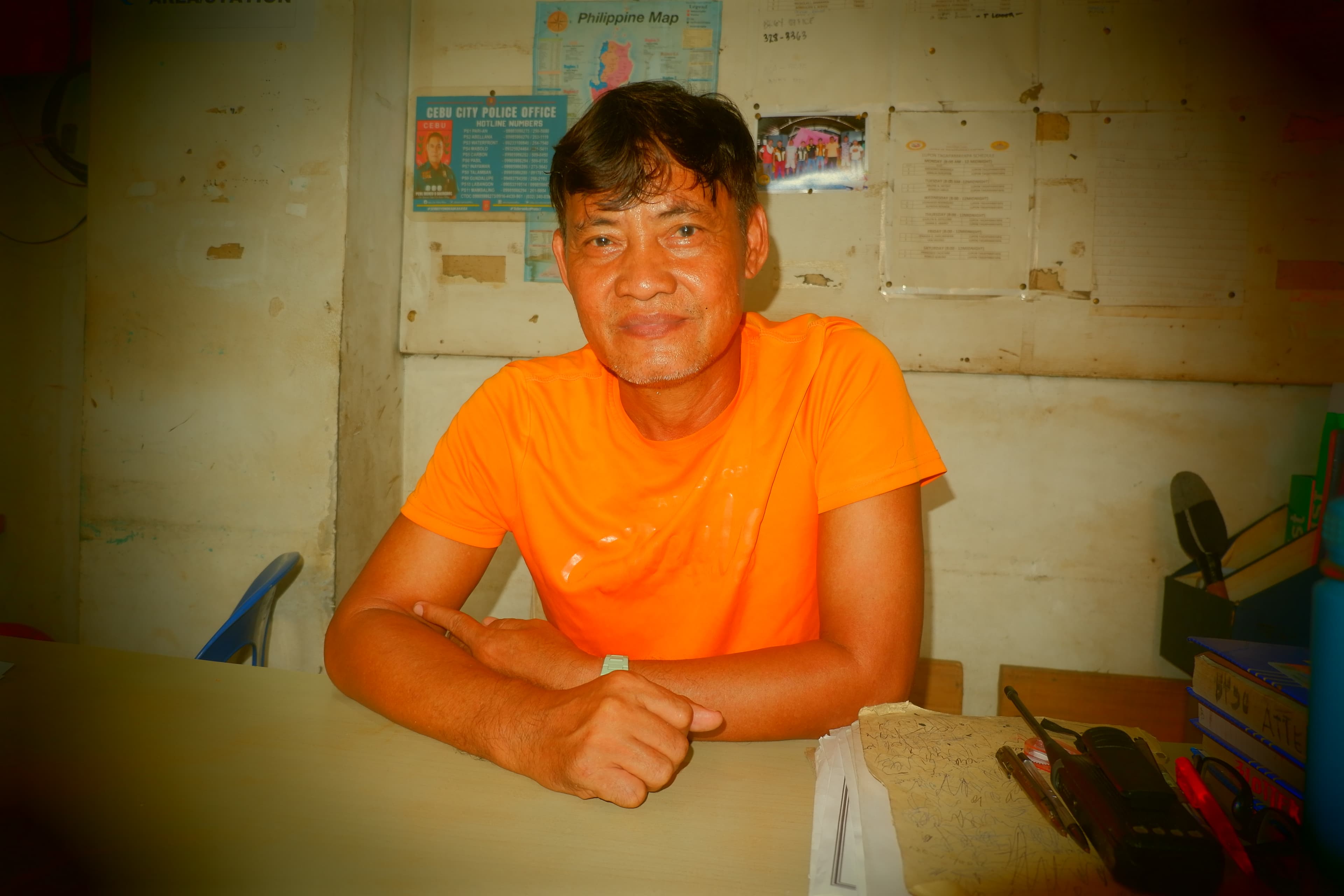
““Dili man gani to taga-Pasil, sa pikas man to nga barangay” (That man is not even from Pasil, he’s from a neighboring barangay), said Abel Abellana, 60, a resident of Barangay Pasil and a Barangay Desk Officer.”
He insisted that the man captured in the video, who was introduced on social media as a resident of their barangay, is not actually from Pasil. Yet Pasil residents were blamed for the man’s act.
“Strikto man gani mi, kon kinsa gani makit-an molabay sa seaside, silotan gyud dayon. Ari sa Pasil, issuehan dayon namo og citation ang madakpan, apan gamay ra (ang maissuehan).” (We are actually strict. Whenever we see someone throwing their waste by the seaside, we immediately impose a penalty. Here in Pasil, we issue a citation to anyone we catch, but only a few are actually issued citations.) Abellana added.
The barangay also conducts a regular coastal clean-up every Saturday that, according to Abellana, is actively participated in by the barangay’s residents, especially those living near the seaside.
“Dira na sa may Guadalupe River, kanang basura ara dili gyud na sa Pasil. Gikan na didto, kon magbaha, moawas ang Guadalupe River, maanod dayon madan-ok gyud ang mga basura dira. Dili mi hugawan.” (There, near the Guadalupe River, the garbage you see here does not actually come from Pasil. It comes from there, and when the river floods, the water overflows and carries the garbage here, where it eventually accumulates. We are not the ones who leave garbage around.) Abellana clarified.
The Guadalupe River is the longest and largest body of water that flows through the center of Cebu City. It starts in the mountainous areas, cuts through uptown and downtown barangays, including Barangay Pasil, before emptying into the Mactan Channel.
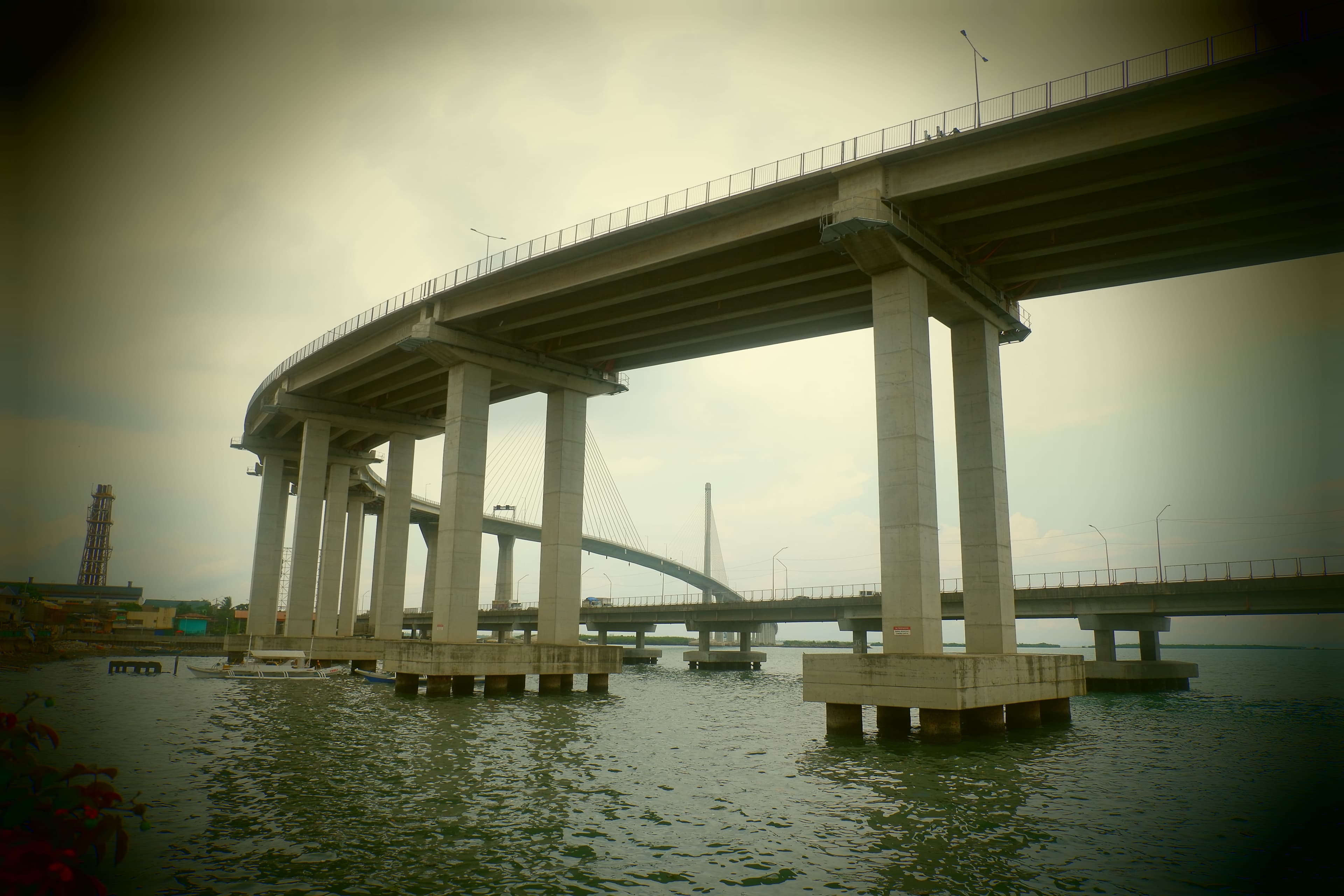
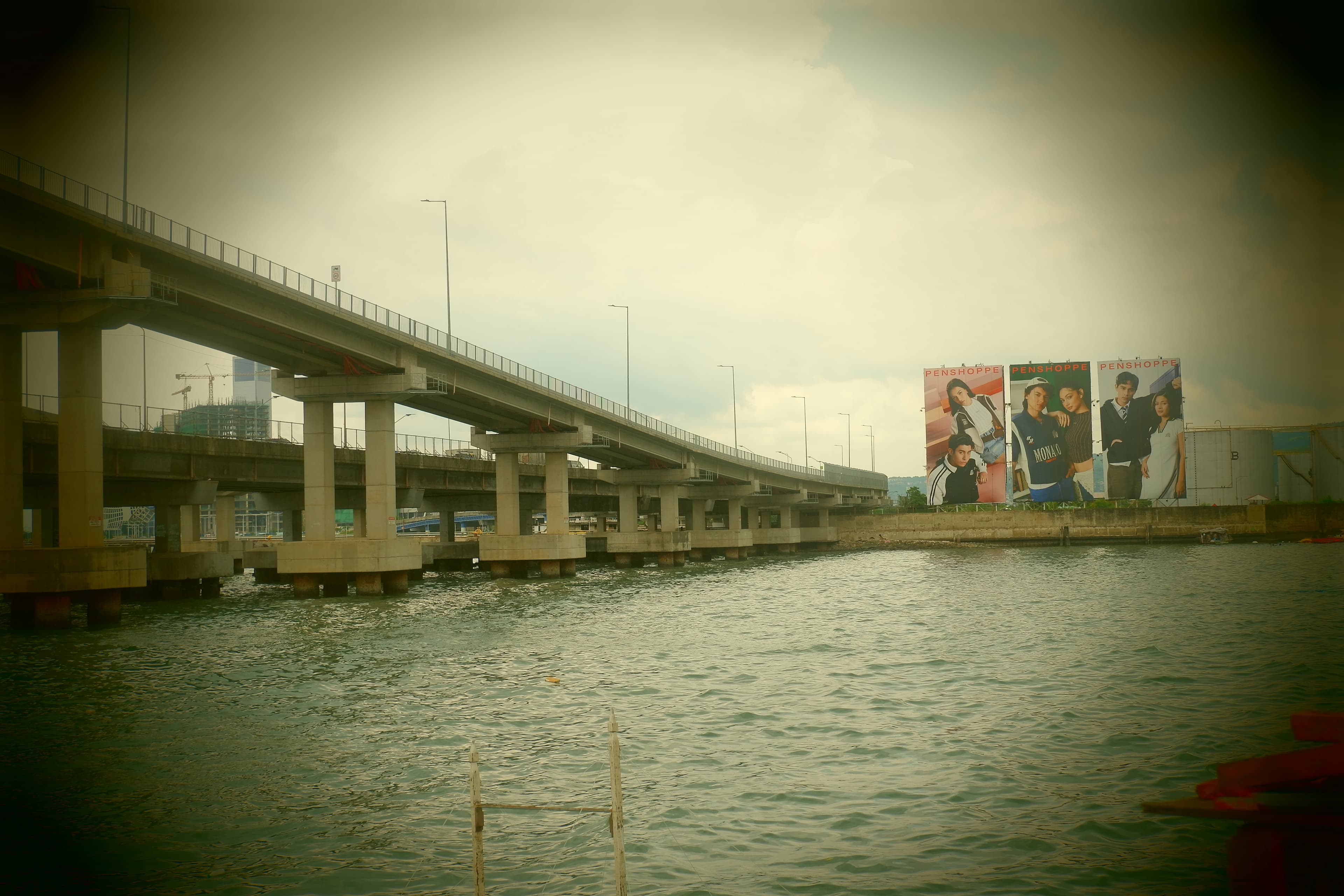
Originally, Barangay Pasil did not accumulate much waste, as the Mactan Channel serves as the river’s exit point. However, according to Abellana, the construction of the 8.9-kilometer Cebu-Cordova Link Expressway (CCLEX) changed the current's flow; instead of going straight to the open sea, the water curved and made its way to Barangay Pasil.
Barangay Pasil then became a catch basin for this waste, which, according to their observations, is mostly not household waste. Instead, much of it is industrial waste from restaurants or factories, while some are medical waste, such as used syringes, vials, and even test tubes that still contain blood samples.
As someone who grew up in Pasil and works for the barangay, Abellana expressed his disappointment at the public’s remarks against them. He hoped that a time would come when they would be given a chance to reintroduce themselves and not be immediately seen in such a negative light.
Residents push back against Pasil’s negative image
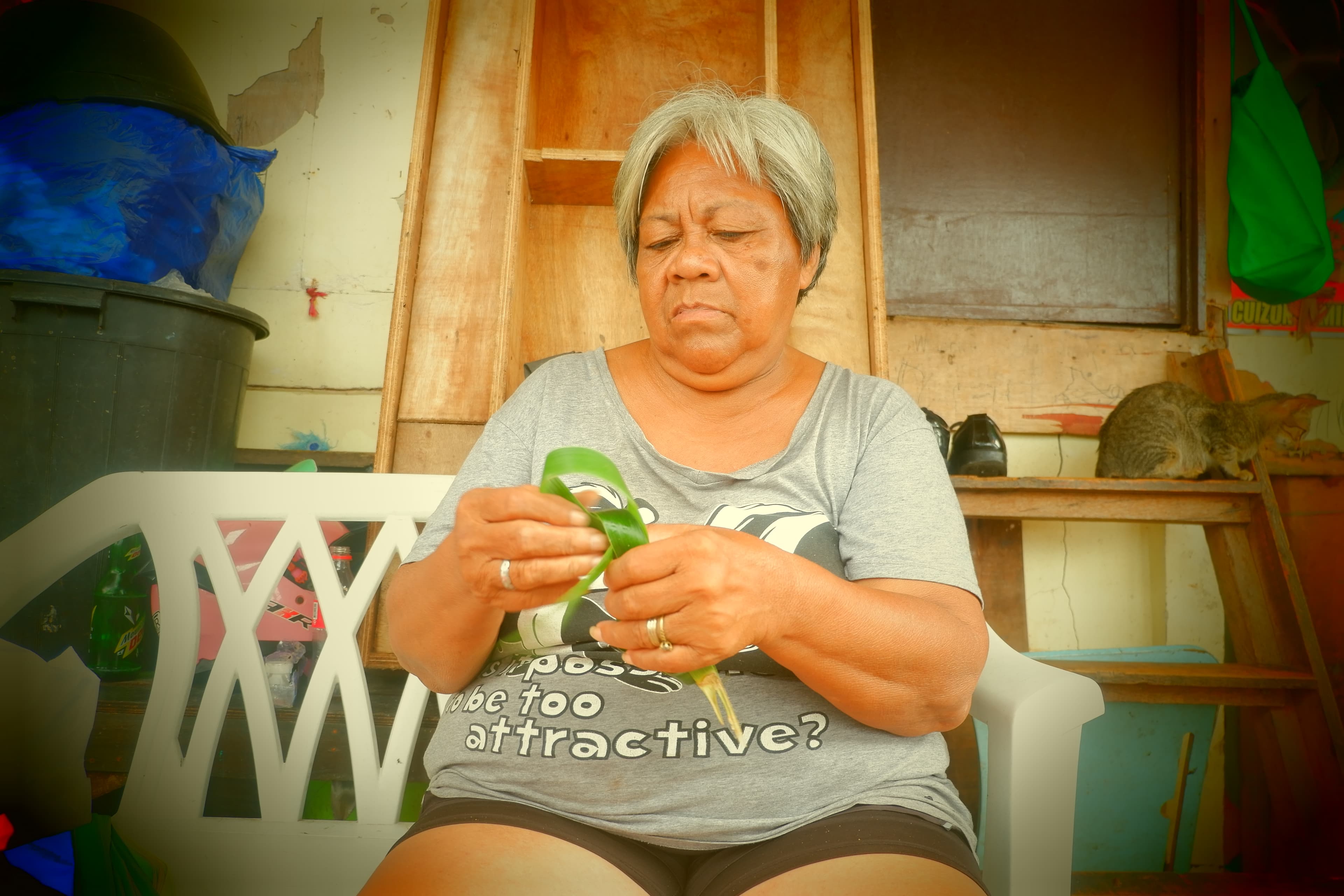
Judith Aparise, 60, a puso (hanging rice) weaver, has lived in Pasil and by the seaside since her childhood. She still remembers the time when the sea was pristine, and they swam and played in it all day.
Now, children still swim in the sea, but she worries about how dirty it has become. For her, the sea current has also become different. It drastically changed after pillars were erected in the sea for the construction of CCLEX.
Aparise also added that in her younger years, Pasil did not have the image of a messy community; it was like any barangay in Cebu. However, during Former President Rodrigo Duterte’s ‘war on drugs,’ Pasil’s image was tainted by several drug cases that took place in the barangay.
According to some residents, Pasil was even regarded as one of the most dangerous places in Cebu. Tourists were often warned against visiting the barangay, while negative content about the community circulated online, further damaging its reputation.
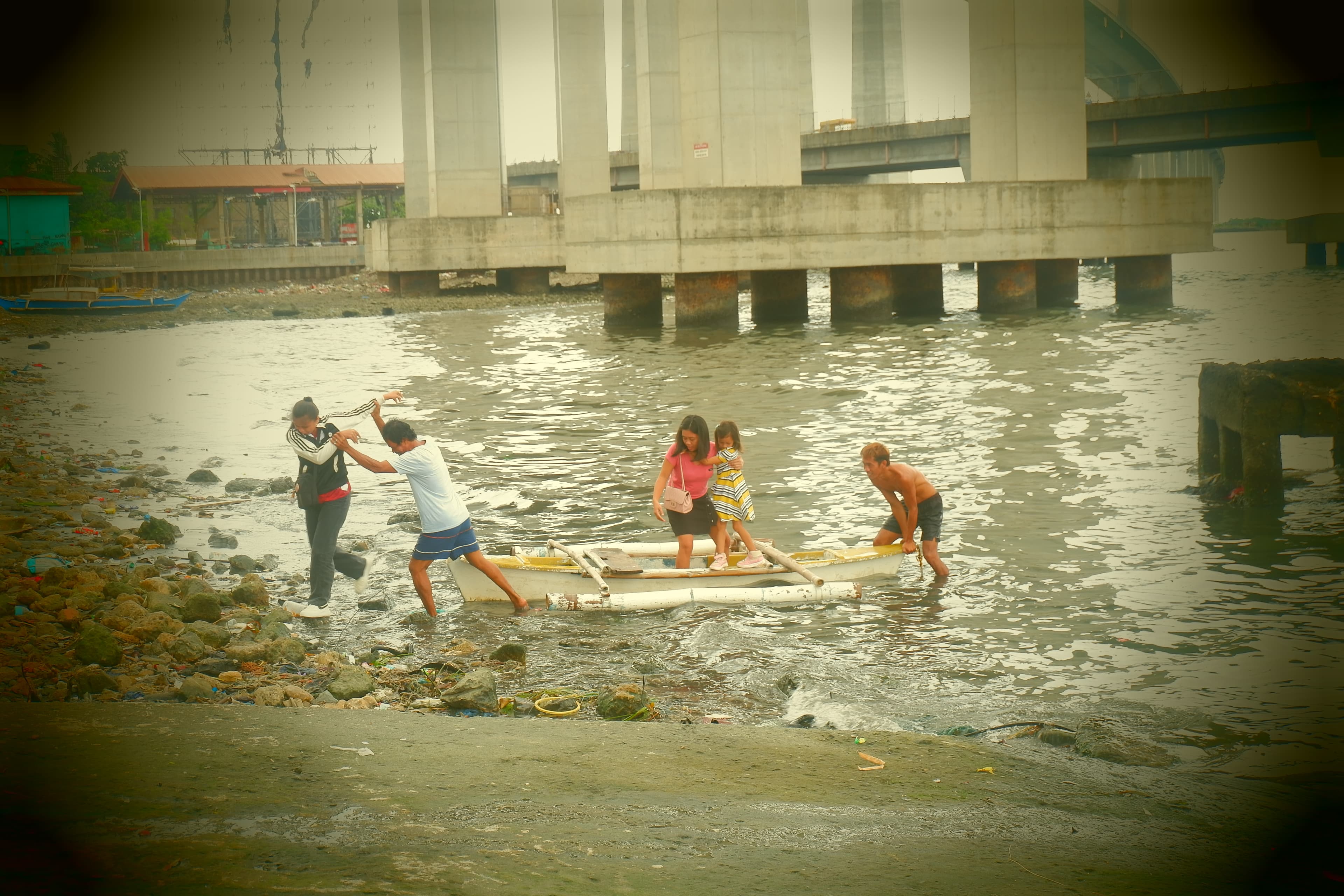
“Strikto man mi ari. Manglimpyo man mi,” (We are strict here. We also clean up.), Aparise said. She also reiterated that the waste seen along the seaside did not come from residents but was washed down from the mountainous barangays during intense flooding.
Aparise hoped their community would be given a chance to prove itself and show it does not differ much from other barangays in Cebu. “Nindot man ang Pasil, nindot.” (Pasil is a nice place, it’s nice), she added.
Archival: Cebu’s waste crisis is a shared responsibility
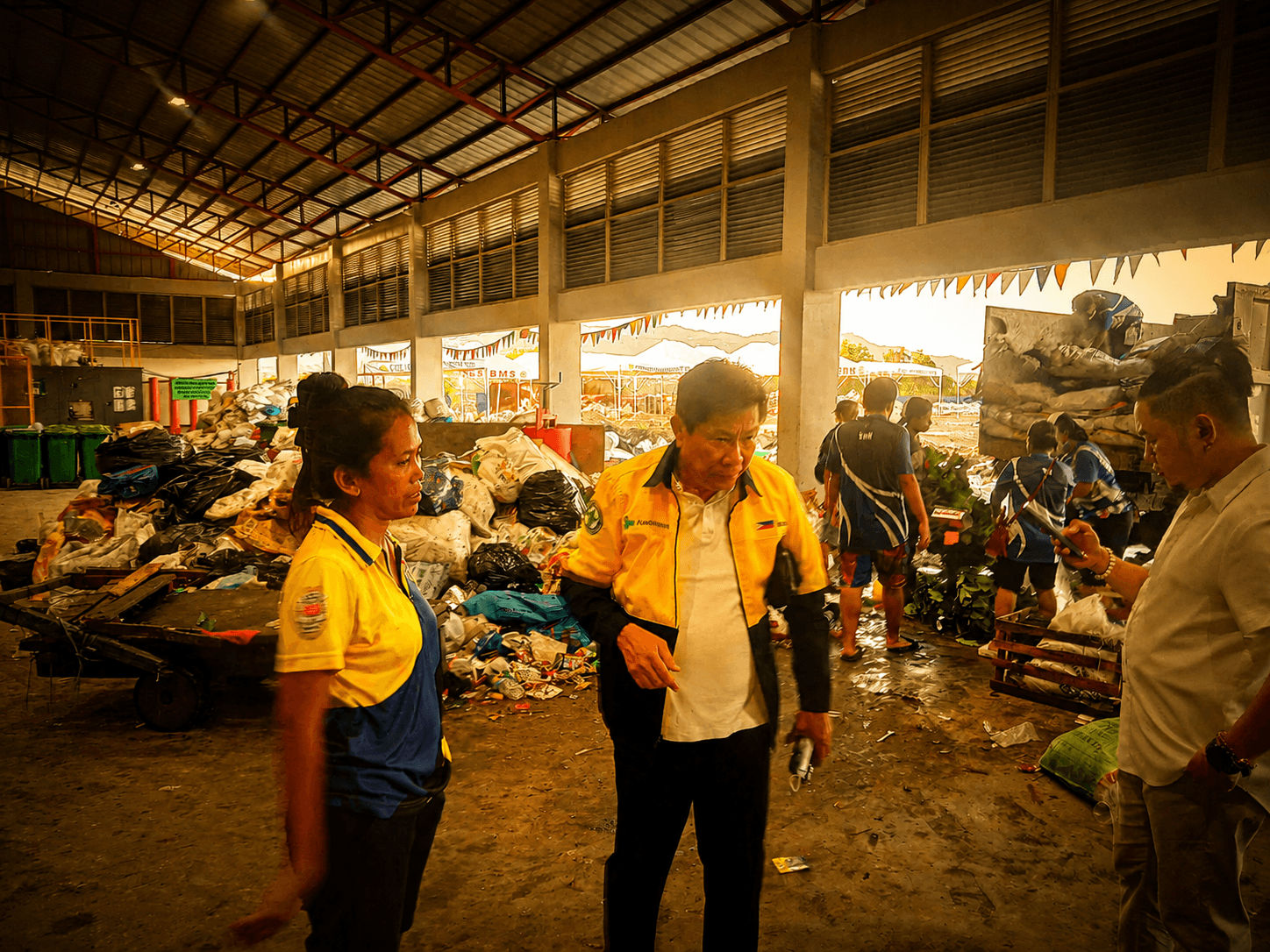
““We are trying to project that the people are not responsible, but it’s not singular; everybody is involved. It’s just that the guy who was the one being captured,” stated Mayor Archival in an interview about the Pasil incident.”
He also added: “What the government is trying to do is to project that this guy, and many people, are throwing garbage, and (yet) the government is the only one being blamed.”
He called the waste crisis a “collective problem” that everyone, including ordinary citizens, shares and helps cause. That’s why, according to him, it would be unfair if the government is always placed in the spotlight every time trash resurfaces because of heavy rains and intense flooding.
However, the mayor also acknowledges a real problem in Cebu’s current waste management system, as it relies heavily on landfilling, which he described as unsustainable and very expensive.
He also pointed out that lapses in Cebu City’s waste management have become a recurring problem across administrations, even before he took office as the 29th mayor of Cebu. He described the deadly Binaliw incident as clear proof that the city’s waste management system has failed.
“We cannot assure that an incident like that will not happen again,” said Mayor Archival. However, he added that he can assure that his administration will not set aside Cebu’s waste problem, as it will be prioritized in his current and upcoming projects.
The narrative behind the blame
Associate Professor Marie Rose Arong of the Communication Program at the University of the Philippines Cebu pointed out that the video's narratives merely deflected attention from the real roots of the city’s trash problem.
According to her, the lack of waste management in urban places, like Cebu City, "creates a villain out of an individual act.” She also added that the residents of Pasil “became an easy target” because of the video and the platform on which it was posted.
“You cannot place the responsibility on individual actors when at the heart of the problem is its policy,” Arong said. She also highlighted that the blame in the discourse is shifting from structural issues that are not being addressed to individual actors.
She also stated that this is a case of weaponizing stigma because the government used the public’s fixed ideas or prejudices about the residents of Pasil and simply reiterated that image, which is contradictory to how the people of Pasil look at themselves.
On the matter of public discipline, Assoc. Prof. Arong explained that “a sound policy would be cognizant of the behavioral issues, and to change behavior it would take time, a sound policy, and its proper implementation.”
Arong also backed the Pasil residents' claim that most of their waste comes from companies, as she said most local studies show that the biggest culprits and contributors to this waste are industries such as restaurants and factories.
“We need grassroots, bottom-up interventions to find solutions, rather than increasing optics (just keep posting on social media) that just add to the problem,” added Arong.
A video can only make visible what is captured within its frame. The sack of garbage thrown into the sea became a clear image of improper waste disposal, but it offered only one frame of a waste problem shaped by multiple factors that extend beyond the act itself.
For Pasil residents such as Aparise and Abellana, however, the video captures only part of the picture. If you point a camera toward their community, you can see the garbage along the shoreline, but the systems and circumstances that brought it there remain outside the frame.
Understanding Pasil’s waste problem therefore requires looking beyond the individual act and examining the systems and material conditions that shape and allow what happens in the community. Because most often, what lies outside the frame may be the most important part of the story.

Comments