
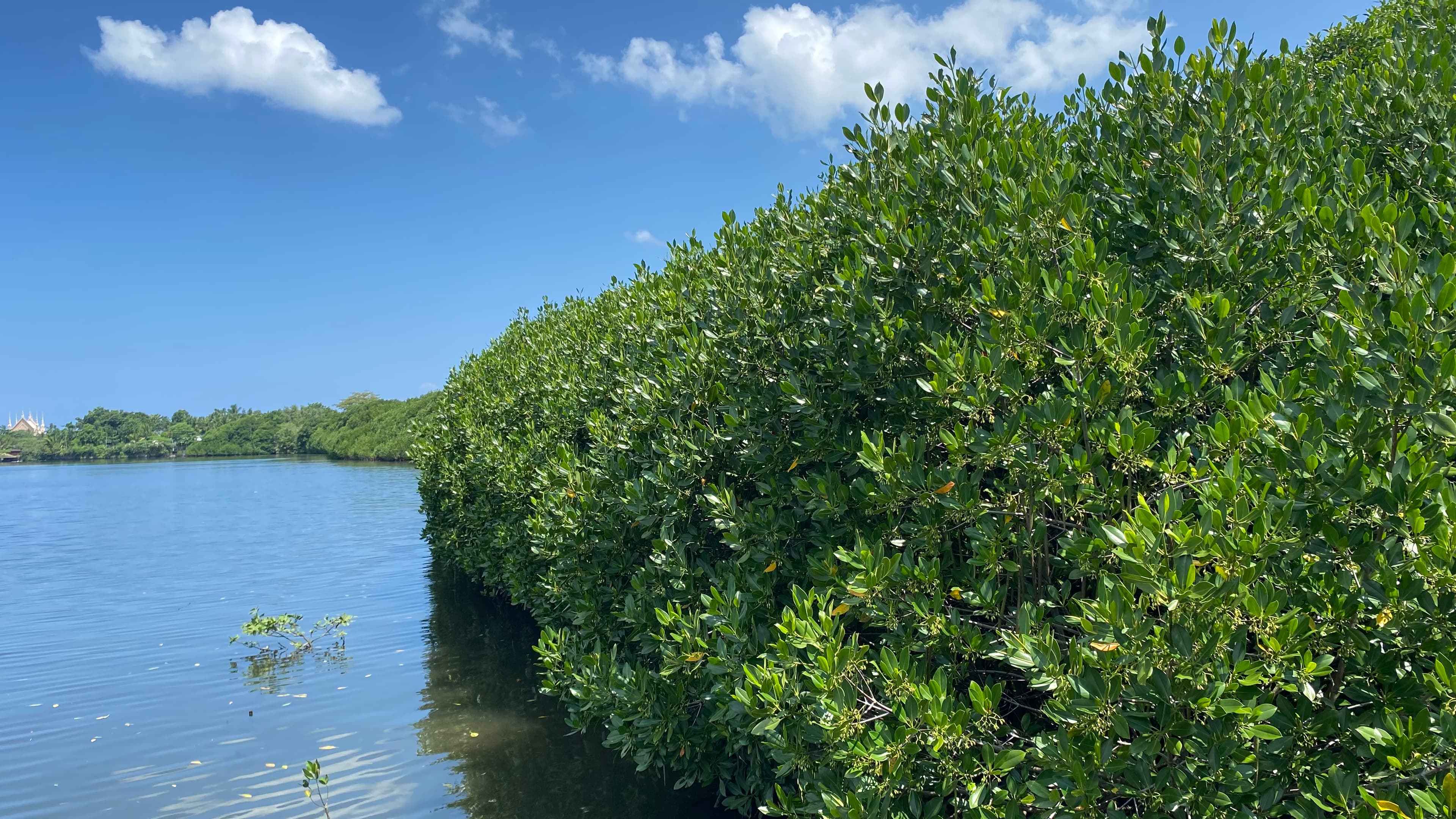
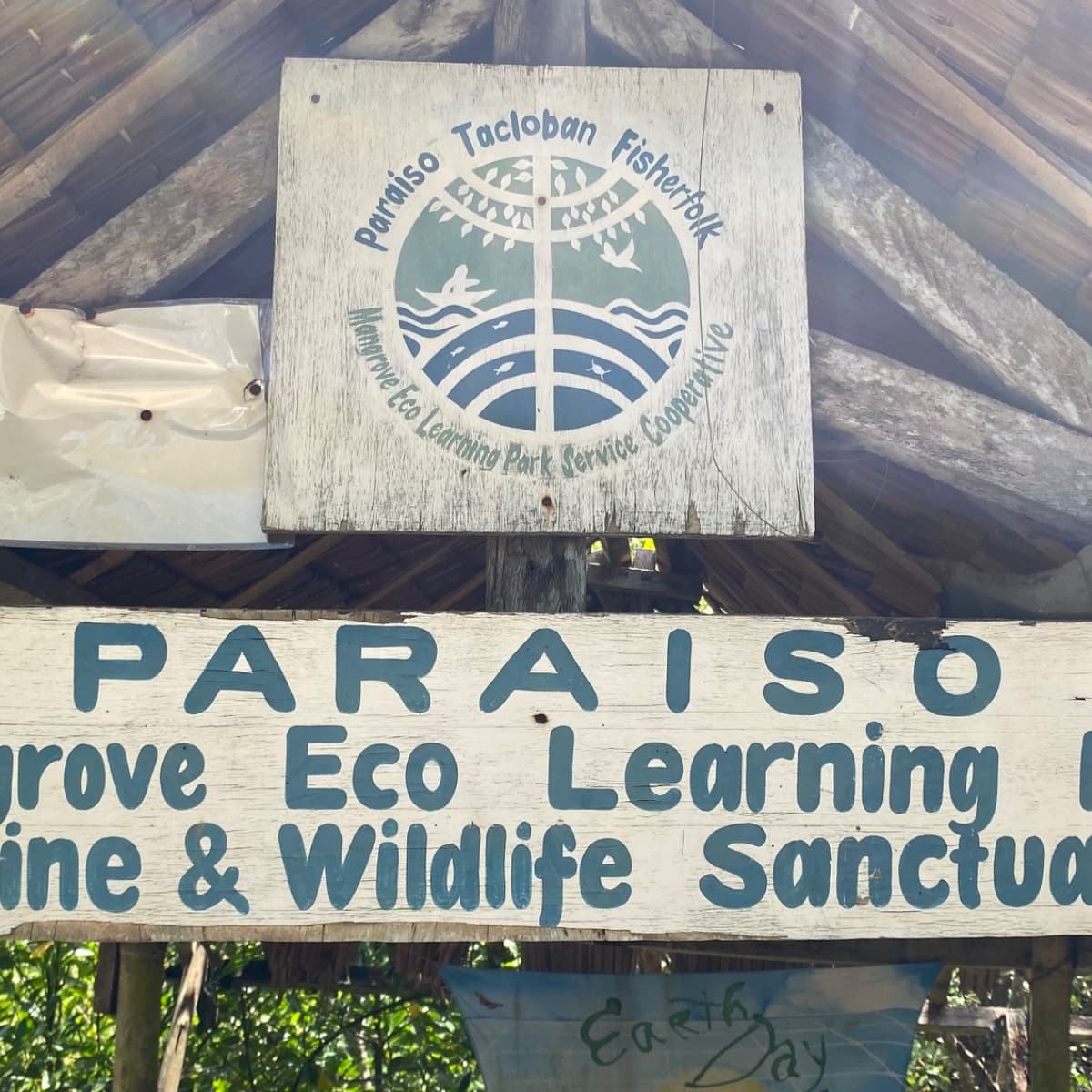
SAN JOSE, Tacloban City — The morning breeze carries a scent of saltwater through rows of mangroves swaying gently along the coast of Barangay Paraiso in San Jose, Tacloban City. At the entrance, a wooden sign welcomes visitors to the Paraiso Mangrove Eco-Learning Park Marine and Wildlife Sanctuary—a reminder that this place has become one of the city’s symbols of environmental recovery after Super Typhoon Yolanda.
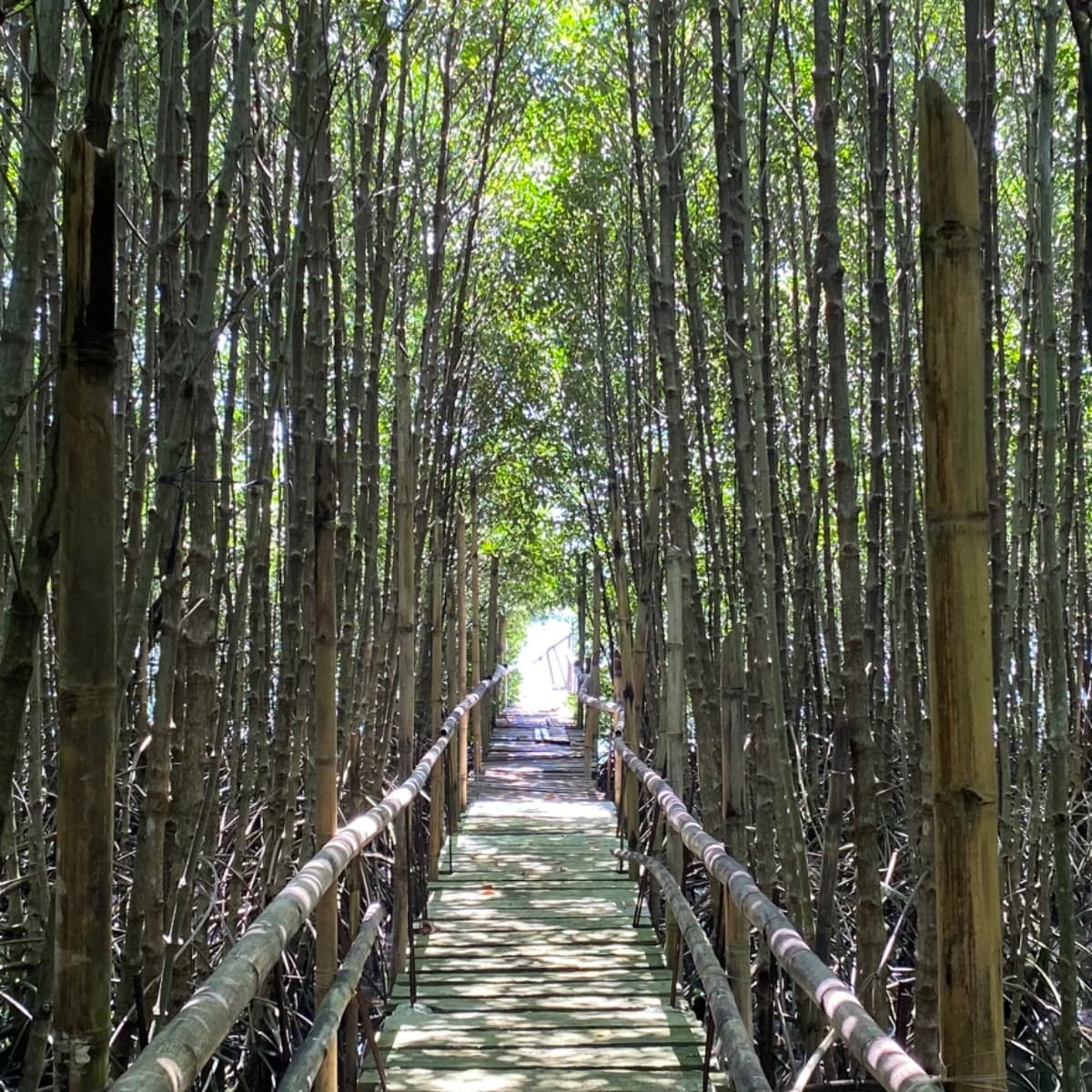
Walking along the pathway is Roque Regis, chairman of the cooperative that manages the park. He moves through the pathway as someone who knows every corner, every planting site, and every challenge the sanctuary has faced.
For visitors, the mangroves represent a restored ecosystem. But to Regis, the park is no longer just a place for environmental conservation. It has become a second home, one he says he could never leave.
“It’s like losing someone in the family,” he said when asked whether he could ever walk away from the sanctuary.
From survivors to stewards
Before Yolanda, community work was never part of Regis’ life. Although he lived directly across from the barangay hall, he rarely joined community activities. Most of his days were spent selling goods at the market, while others were spent organizing barangay projects.
Everything changed after the super typhoon.
Watching Tacloban recover from Yolanda made him wonder how he could help rebuild his own community. Instead of waiting for change, he joined clean-up drives in their purok and volunteered wherever help was needed. Those small efforts eventually led a barangay councilor to introduce him to the community’s mangrove reforestation program in 2015.
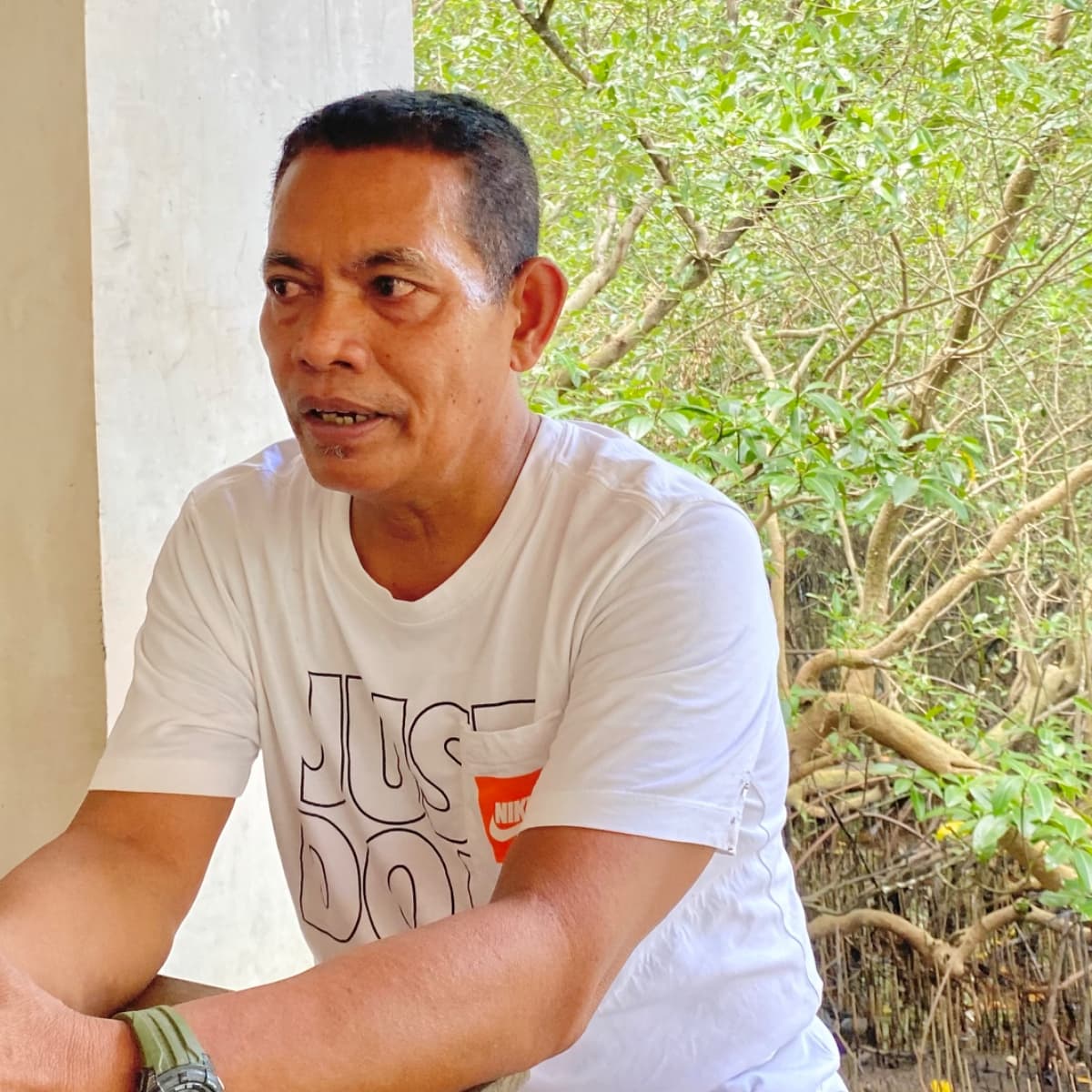
But the transition was not easy. Regis recalled feeling intimidated as one of the newest volunteers. Many members were already experienced, while he was unfamiliar with community organizing and environmental work. Even so, he chose to participate in planning activities and volunteer projects despite feeling out of place. Encouragement from fellow volunteers gradually shifted his perspective and gave him the confidence to keep going.
Their trust pushed him to become more involved, eventually helping him grow into a community leader. Looking back, Regis became emotional as he described those early years, remembering how determined he was to prove that even a newcomer could make a meaningful contribution.
Protecting what they built
Protecting a mangrove forest goes far beyond planting seedlings.
Regis says conservation begins with days spent cleaning the park, preparing mangrove nurseries, organizing volunteers, planning tree-planting activities, and ensuring every event runs smoothly. During the “ber” months, when mangrove propagules become visible, preparations become even busier as volunteers collect seedlings and organize planting schedules.
His work reflects the importance of mangroves and the communities surrounding them. A 2023 study by Myra Abayon on mangrove conservation in Tacloban City found that local communities recognize mangroves as sources of food and other resources, while also highlighting their importance to livelihood and marine life.
For the community in Paraiso, protecting the mangroves also means rebuilding an ecosystem damaged by disaster.
A 2025 study by Hiroshi Takagi found that the Paraiso mangrove forest, severely damaged by Typhoon Haiyan, showed substantial recovery after community-based reforestation efforts. The study reported an 80% increase in the mangrove forest fringe compared with the pre-disaster levels.
For Regis, he witnessed that recovery firsthand. The trees that now line the park represent years of work by volunteers who continued planting, cleaning, and maintaining the sanctuary after the destruction by Haiyan.
But maintaining the sanctuary requires more than restoring trees. It also requires people who are willing to keep the work going.
Today, his concern extends beyond the mangroves themselves to the people responsible for protecting them. As current members age, fewer young volunteers are willing to take their place. Without consistent funding, volunteers receive little more than meals during events. At times, Regis even uses his own money to support group gatherings, believing that maintaining community cohesion is just as crucial as caring for the mangroves.
“If I stop managing this park,” he reflected, “it may no longer function.”
However, the sanctuary's challenges go beyond the people who maintain it. Its location along Cancabato Bay also places it near a major development project that could impact the surrounding environment.
PH Haiyan Advocacy, a local group that has been raising concerns about the project and its potential effects on Cancabato Bay, said the Cancabato Bay Causeway Project intends to provide a better connection for Taclobanon and support the city’s development. The group said the project should deliver a reliable connection, faster travel, and long-term public use.
Regis, however, said development should not come at the expense of Cancabato Bay. He said the proposed causeway could affect water movement within the bay and, eventually, the mangrove ecosystem. Drawing from his own observations and experience attending environmental seminars, he believes changes in water flow could affect fish populations and the survival of mangroves. He emphasized that these are his personal observations as a community steward.
That concern gained added relevance after a fish-kill incident in Cancabato Bay on August 11, which the Bureau of Fisheries and Aquatic Resources is now investigating. Tacloban City Agriculturist Romelo Anade cited hot weather and low oxygen as possible factors, while also raising the possibility that barriers associated with the Tacloban Causeway Project may have trapped fish in the bay. The cause of the fish kill, however, has not been established.
The incident adds context to the concerns about water circulation in Cancabato Bay. In 2022, Save Kankabatok Advocacy warned that a causeway could hinder water circulation in and out of Cancabato Bay.
The issue remains relevant as the project undergoes a redesign following its suspension. PH Haiyan mentioned in their explainer video about the Cancabato Bay Causeway Project that the redesign should consider not only the project’s intended benefits but also the environmental conditions of the bay. The group said the design should account for the bay’s natural water flow, drainage, water quality, biodiversity, and overall ecological health. PH Haiyan Advocacy said it does not oppose completing the project, but wants it finished safely, responsibly, and with greater protection for Cancabato Bay.
At the community level, the discussion is ultimately about protecting what the community has spent years rebuilding.
His dream for Paraiso Mangrove Eco-Learning Park has never changed. He still hopes to see improved facilities, stronger community participation, and recognition as an established mangrove eco-learning park. Budget constraints may have slowed those plans, but they have not changed his vision.
More than anything, he hopes the younger generation will understand why protecting the environment matters.
More than mangroves
As the afternoon sun begins to set over Cancabato Bay, the conversation returns to the mangroves themselves. The trees cast long shadows across the water—a quiet reminder of how much has grown since Yolanda.
To visitors, the park may simply appear as a thriving mangrove sanctuary. Behind each tree, however, are years of commitment, sacrifice, and hope shared by volunteers who chose to rebuild not only an ecosystem but also their community.
Asked whether he is proud of what he has accomplished, Regis smiled.
He insisted the park was never built by one person alone. Every tree, every pathway, and every activity reflected the contributions of volunteers, community members, and partner organizations who believed the sanctuary was worth protecting. The greatest rewards, he said, were never financial. Instead, they come from simple joys of hearing birds chirp, watching mangroves grow, and knowing he had helped protect something larger than himself.
More than a decade after Yolanda, Tacloban’s green wall still stands because people like Roque Regis never stopped believing it was worth protecting.

Comments