
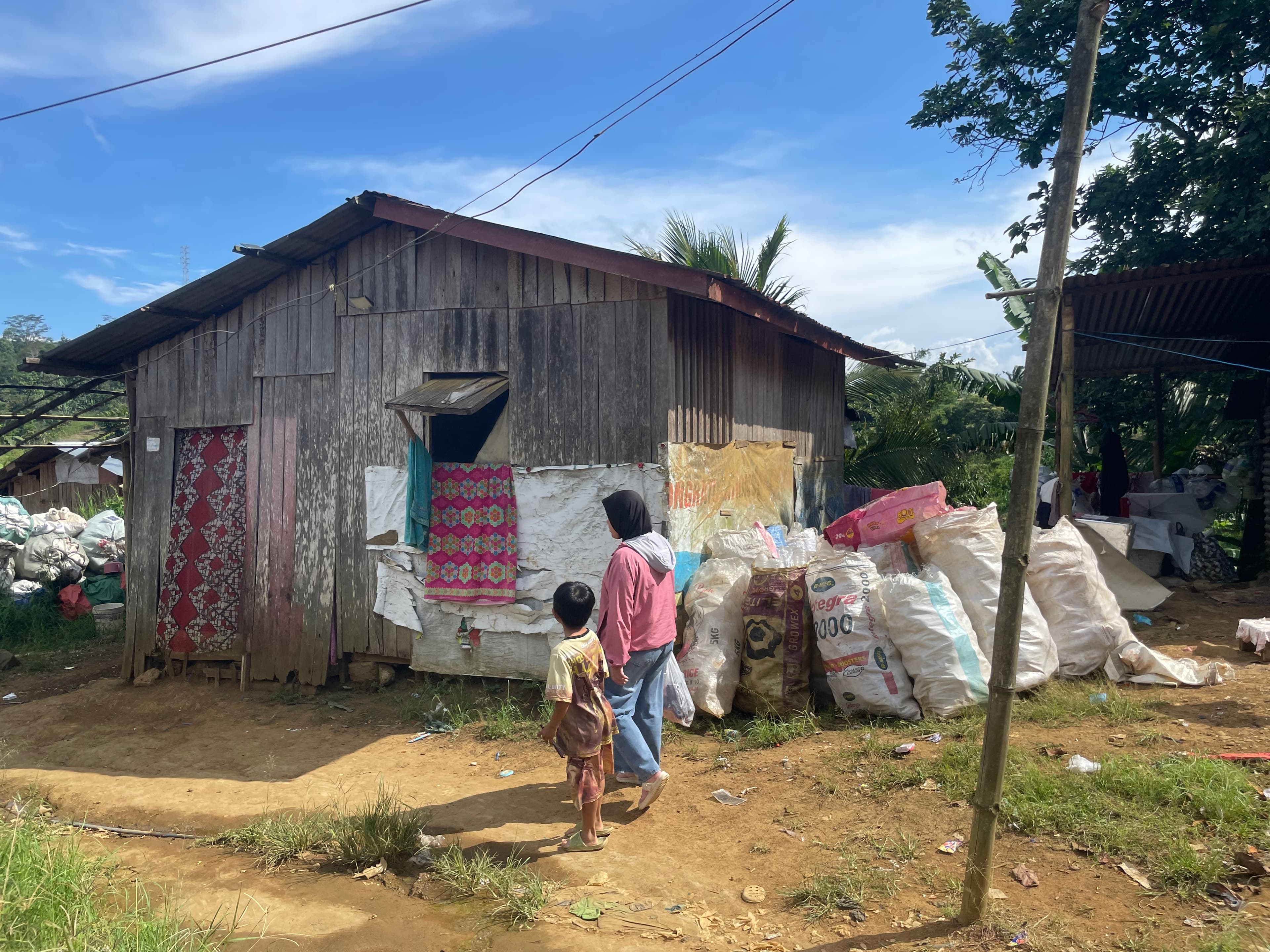
PAPANDAYAN, Marawi City— Back in 2000, Barangay Papandayan, Caniogan, in Marawi City was known for its garbage.
Unlike a dumpsite set apart from residential areas, Papandayan’s open dump stood just meters from homes, leaving families to live beside uncontained piles of garbage brought from across the city, with the waste spilling toward the highway and its stench settling over the community.
Residents recall frequent health complaints, including fever, headaches, nausea, stomachaches, coughs, and colds, along with accidents involving people working around the waste.
Hazardous waste also made the area difficult to restore. When it rained, the smell became worse. Piles of garbage burned because of the lack of proper waste segregation; the smoke and foul odor spread through the same streets where families lived, children played, and people tried to make a living.
“Dati, umaabot talaga sa highway ang basura. Sobrang baho,” said Hanira, 23, who grew up in Papandayan.
The garbage had been there for so long that residents joked about it. Even diapers discarded when they were children, they said, could still be found in the piles years later.
The joke described how little seemed to disappear, while the smell lingered as a constant part of everyday life.
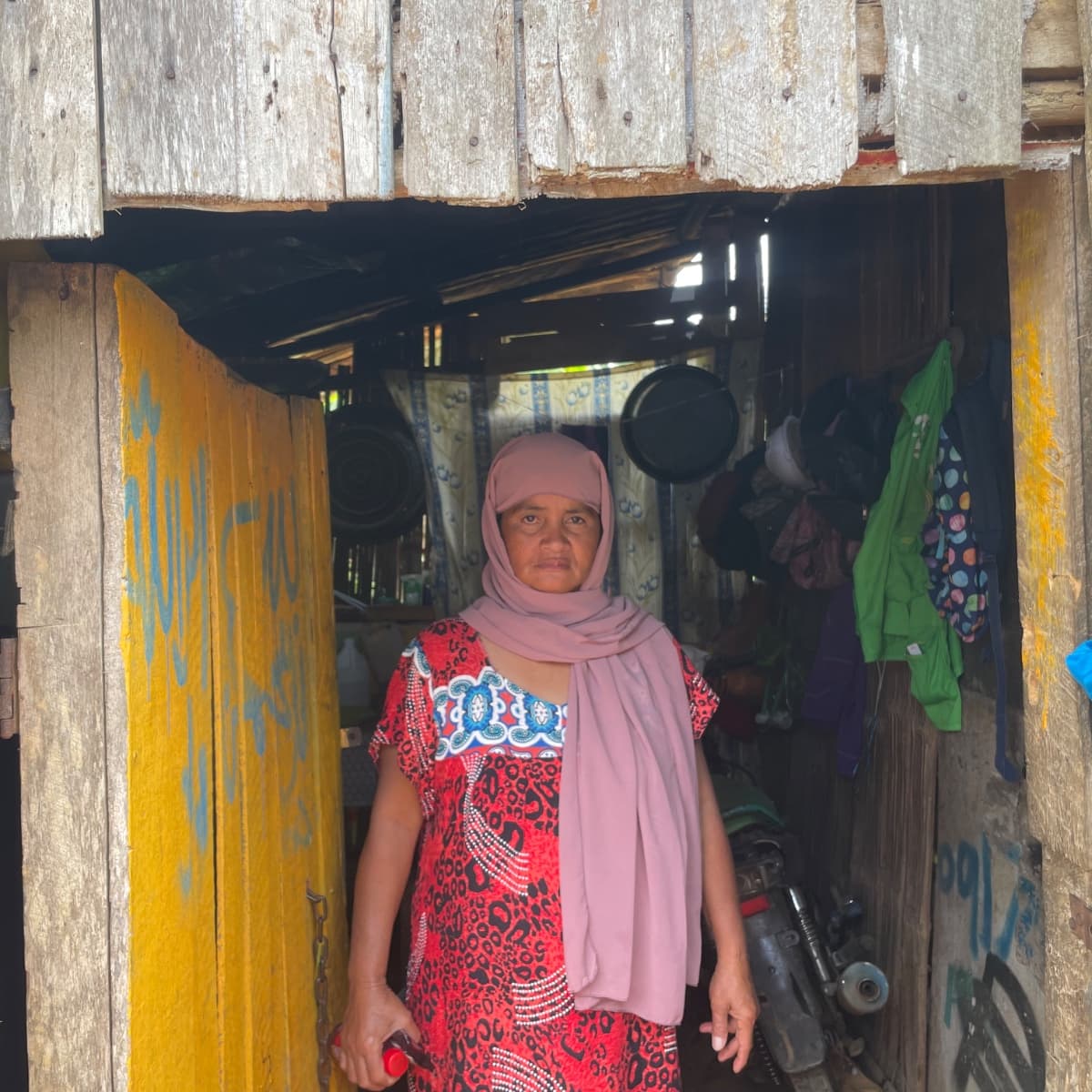
For residents, the health effects were another part of living beside the waste. Rosaly, 48, remembers how frequently people became sick when the dumpsite was still beside the community.
“Rampant talaga ang sakit noon,” she said. Even if someone became accustomed to the smell, she said, being surrounded by garbage meant the exposure never stopped. “Katabi mo mismo yung basura. Kahit immune ka na sa amoy, nandiyan pa rin.”
But for Papandayan, garbage was simultaneously an environmental hazard and a source of income. The dumpsite served as a workplace for waste pickers who searched through discarded materials for anything they could still sell, including plastics, bottles, metals, and cardboard. Whatever had value became worth looking for.
For children, the work could become part of growing up. A child from the community described the work: “We get plastics, and we sell them for rice.”
Then came the other half of the sentence: “We don’t go to school, and sometimes we get a fever.”
Eventually, the garbage became too difficult to ignore, and Hanira remembered how it reached the highway and the cars could not pass through. Residents sought help, and the problem eventually reached Raffy Tulfo in Action.
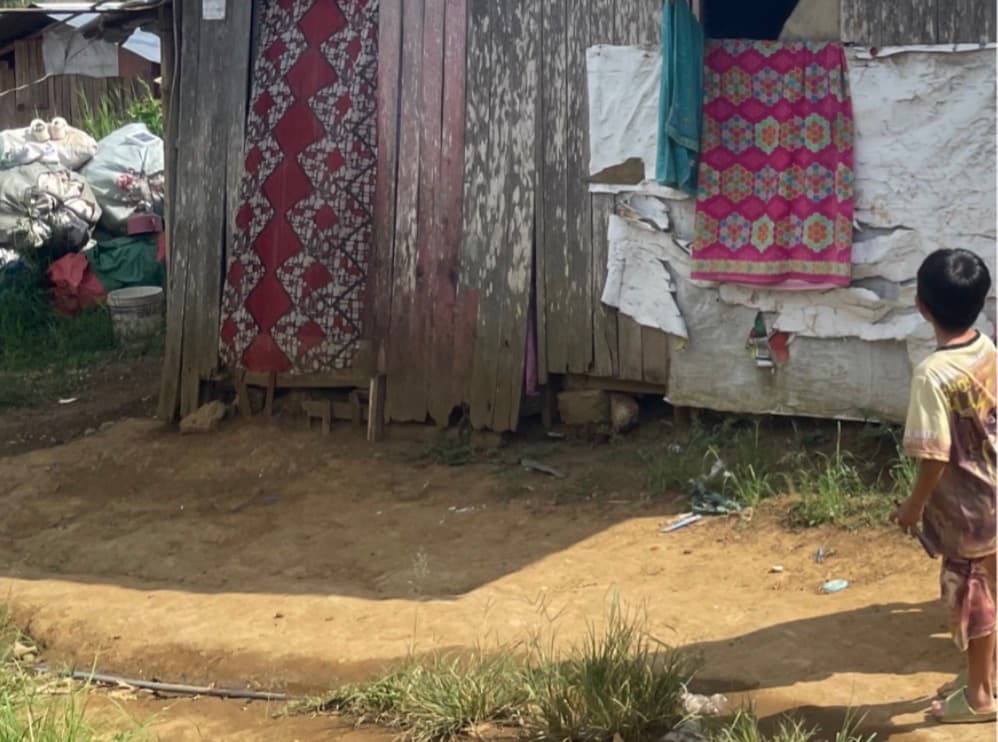
A 2021 study documenting the dumpsite later recorded the statement of Atty. Abbas Lao, then a focal person for the Solid Waste Management Project of the Marawi City Department of Environment and Natural Resources and Task Force Bangon Marawi, who said the dumpsite would be rehabilitated and a possible sanitary landfill project would be implemented.
Being heard on television became part of the turning point because the government eventually moved to replace the open dumping system with a sanitary landfill.
But before the garbage disappeared, residents had to endure one of its worst forms: fire.
Mahid, 25, a resident of the area, remembers when they burned the remaining garbage. “Grabe talaga ang lansa ng amoy dahil ilang linggo bago ito nawala,” he said. The smell was so intense, he recalled, that people could hardly bear it and children in the barangay became sick.
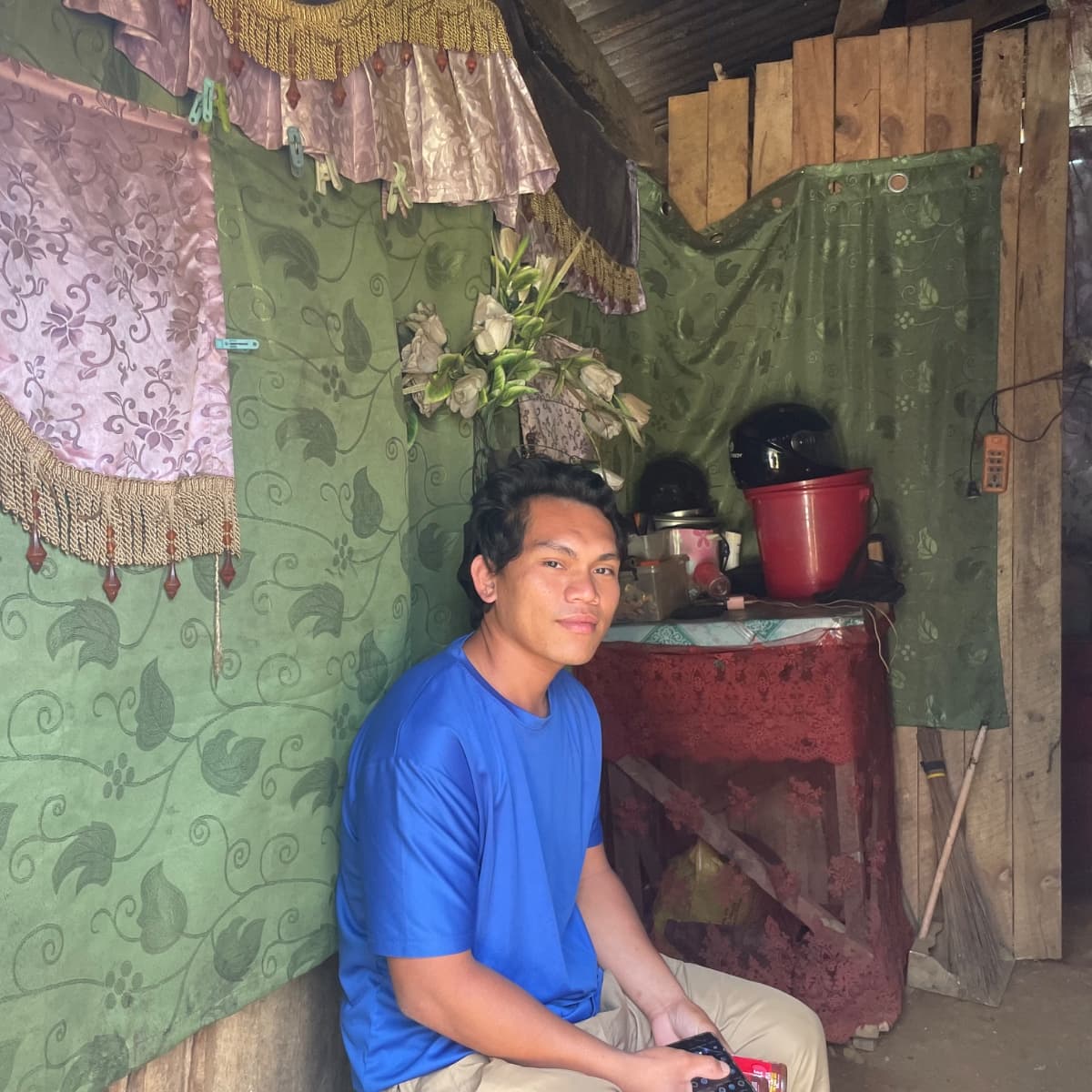
In 2021, it led to the eventual relocation of the dumpsite. The road became passable. The landscape began to look less like the dumpsite that had defined it for years.
The government established a new sanitary landfill in Barangay Malimono, Marawi City, and Barangay Kasanayan, Kapai. The nearly ₱300-million facility was intended to replace the city’s open dumping system and was projected to last around 25 to 40 years, depending on waste volume. The former Papandayan dumpsite was slated for closure and rehabilitation.
“Nung nalipat na, nawala talaga yung amoy. Hindi na rin kami nagkakasakit kasi nawala na ang dumpsite. Naging damo na at puno ang dumpsite dati, na kulang na lang ay umabot sa langit,” said Rosaly.
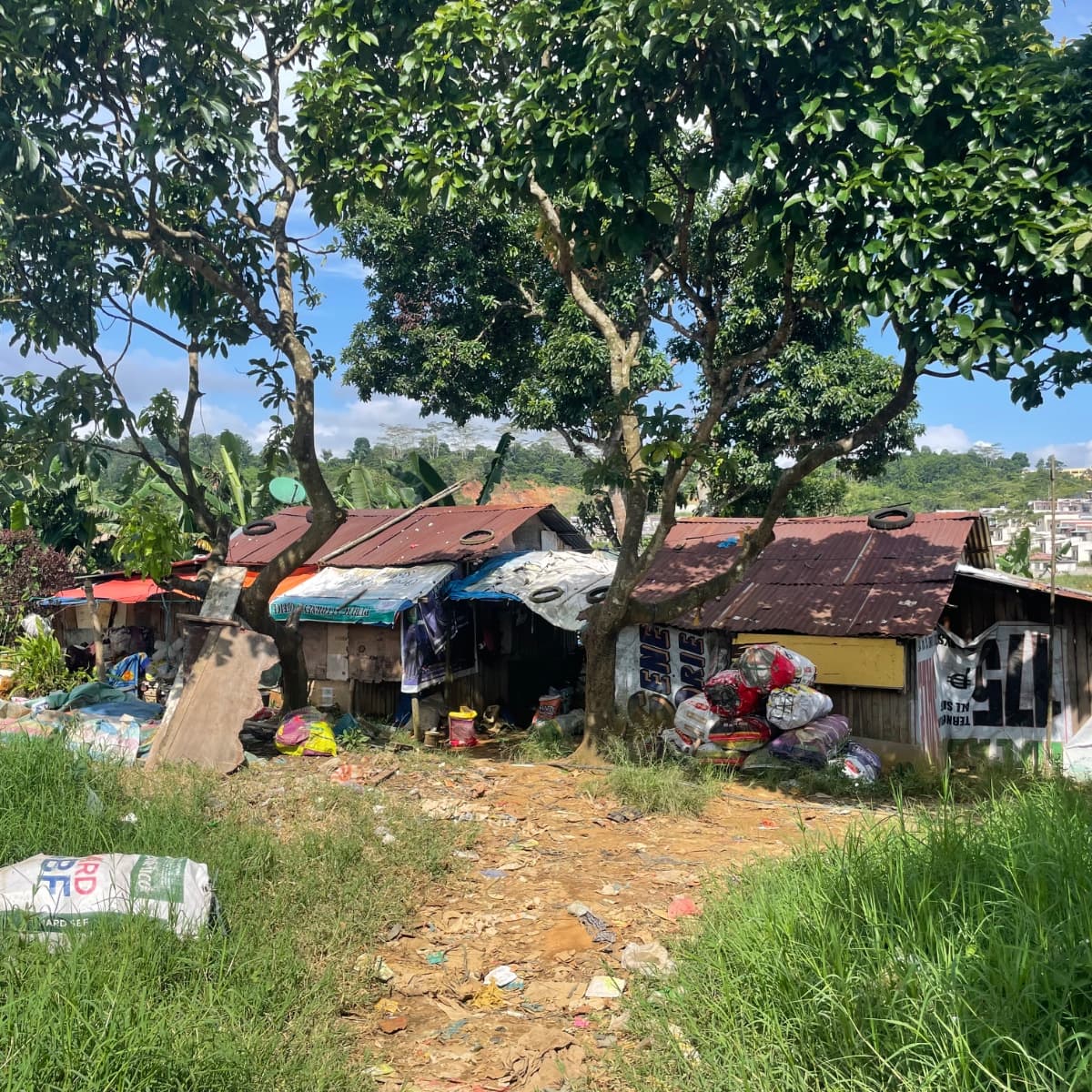
But cleaner surroundings came with another question: What happens to people whose livelihood relies on garbage?
Before, they could collect recyclable materials near their homes; now, they had to travel, spend money on transportation, and spend time searching. But sometimes, they returned with very little money.
Mahid said that his earnings from collecting recyclable materials could reach only around ₱2,000 a month after the relocation.
“Mas nahirapan kaming mangalakal kasi malayo na. Minsan, hindi pa nabebenta sa isang buwan dahil umaabot ng ilang buwan bago namin maibenta,” he said.
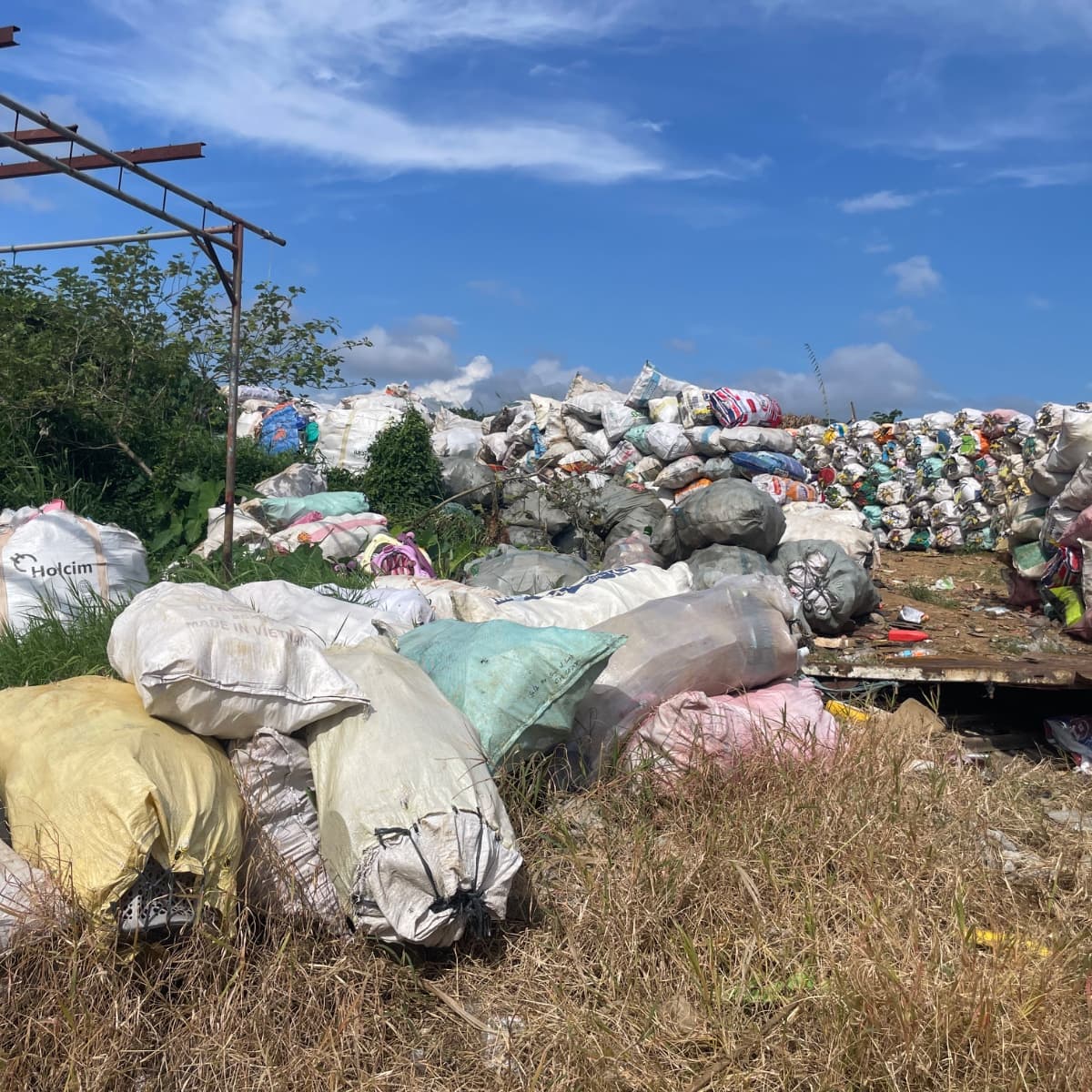
For families already surviving on small incomes, the difference matters. Mahid said he sometimes wished the dumpsite had stayed closer because that was where the work was, and poverty does not disappear when the pollution does.
The distance also changed children’s involvement in waste picking: they could once accompany their parents when the dumpsite was nearby, but now have to travel farther to collect recyclables.
Some parents had to do the work themselves, as bringing the children would be impractical.
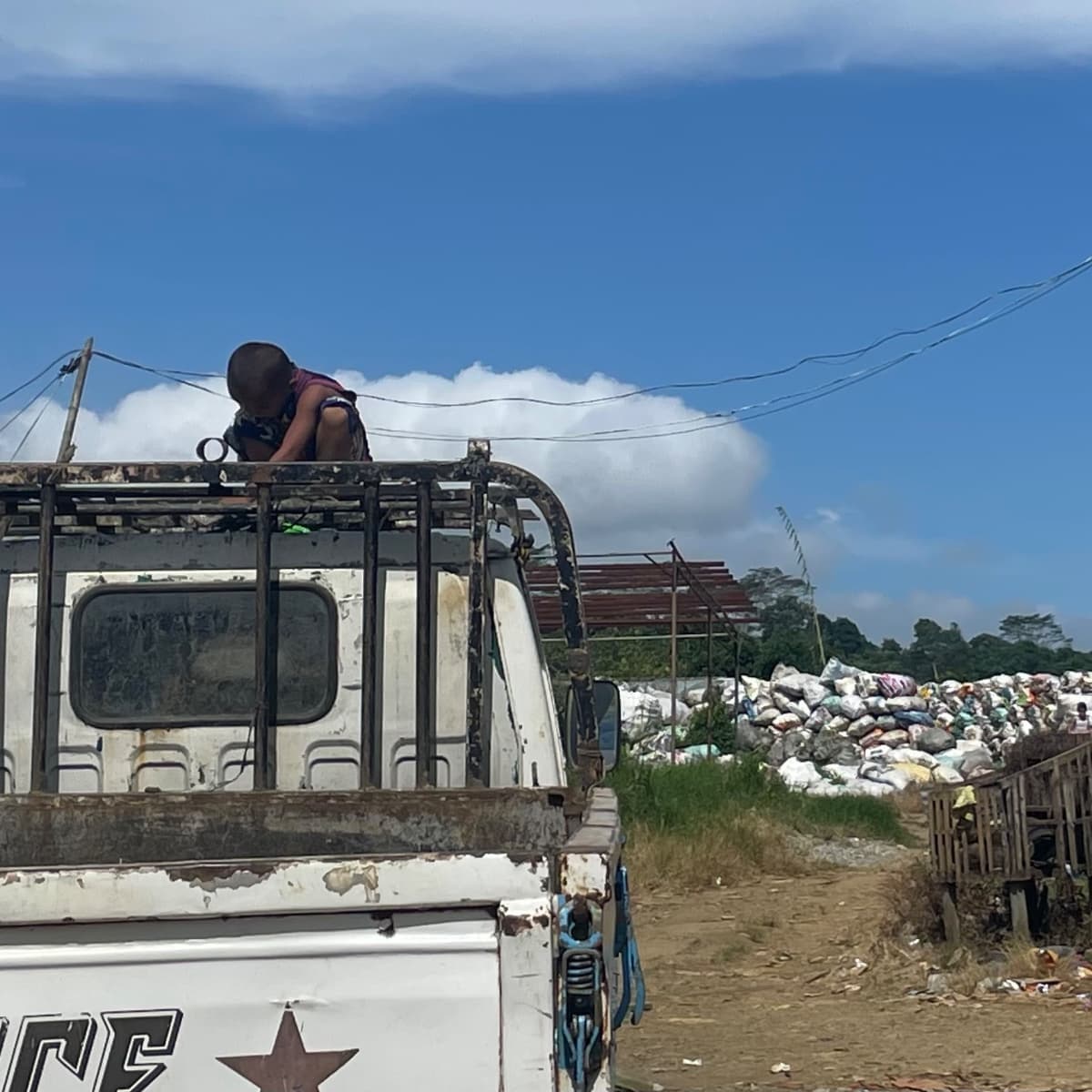
Some children still collect recyclable materials, but they also continue attending madrasah, where they receive Islamic religious education.
For some children, the garbage is no longer immediately outside the home. However, the fact that some still participate in waste picking shows that limited livelihood options continue to push families to depend on recyclable waste for income.
Residents said some of the remaining waste is still burned at night, exposing nearby families to smoke and foul odors.
The local government has taken steps toward alternative livelihoods.
In 2022, 50 women from the Papandayan-Caniogan dumpsite area received training and starter toolkits for dressmaking and bread-and-pastry production. The program was intended to provide income opportunities outside waste picking.
But residents still describe waste picking as a livelihood they have to return to as alternatives remain limited, complicating Papandayan’s efforts to shed the identity the dumpsite left behind.
In 2024, the Bangsamoro Ministry of Environment, Natural Resources and Energy opened a central tree nursery in Barangay Papandayan-Caniogan, with around 25,000 seedlings intended to support environmental protection and rehabilitation efforts in Lanao del Sur.
This is why Papandayan’s story is more complicated than the closure of an open dumpsite. The community needed the garbage gone, but some residents also needed the garbage to survive.
Today, Papandayan is slowly moving away from that contradiction.
“Ngayon, kapag sinabi nilang Papandayan, hindi na agad basura ang maiisip nila. Pero hanggang ngayon, may mga natitirang basura pa rin na sinusunog sa gabi, kaya naaamoy at nalalanghap pa rin namin ang usok,” Moh’d said.
But as the environment begins to recover, residents are also asking for livelihoods that can keep their families from depending on waste.
“Gusto namin ng malinis na lugar, pero sana habang nililinis yung lugar namin, matulungan din yung mga taong dati’y umaasa sa basura. Sana yung mga anak namin makapag-aral at hindi na kailangang sumama sa pangangalakal para lang may makain kami.”
For a community that spent years being identified with its dumpsite, recovery must address both the environment and the people who inhabit it.
Papandayan’s experience shows that closing an open dumpsite is only one part of environmental rehabilitation. Waste must be safely contained to protect residents from continued exposure to hazardous smoke and pollution, and families whose livelihoods depended on scavenging must have accessible alternatives to replace the income they lost.
Papandayan has less garbage to live with now, but what the families need is a sustainable livelihood they can rely on, too.

Comments