
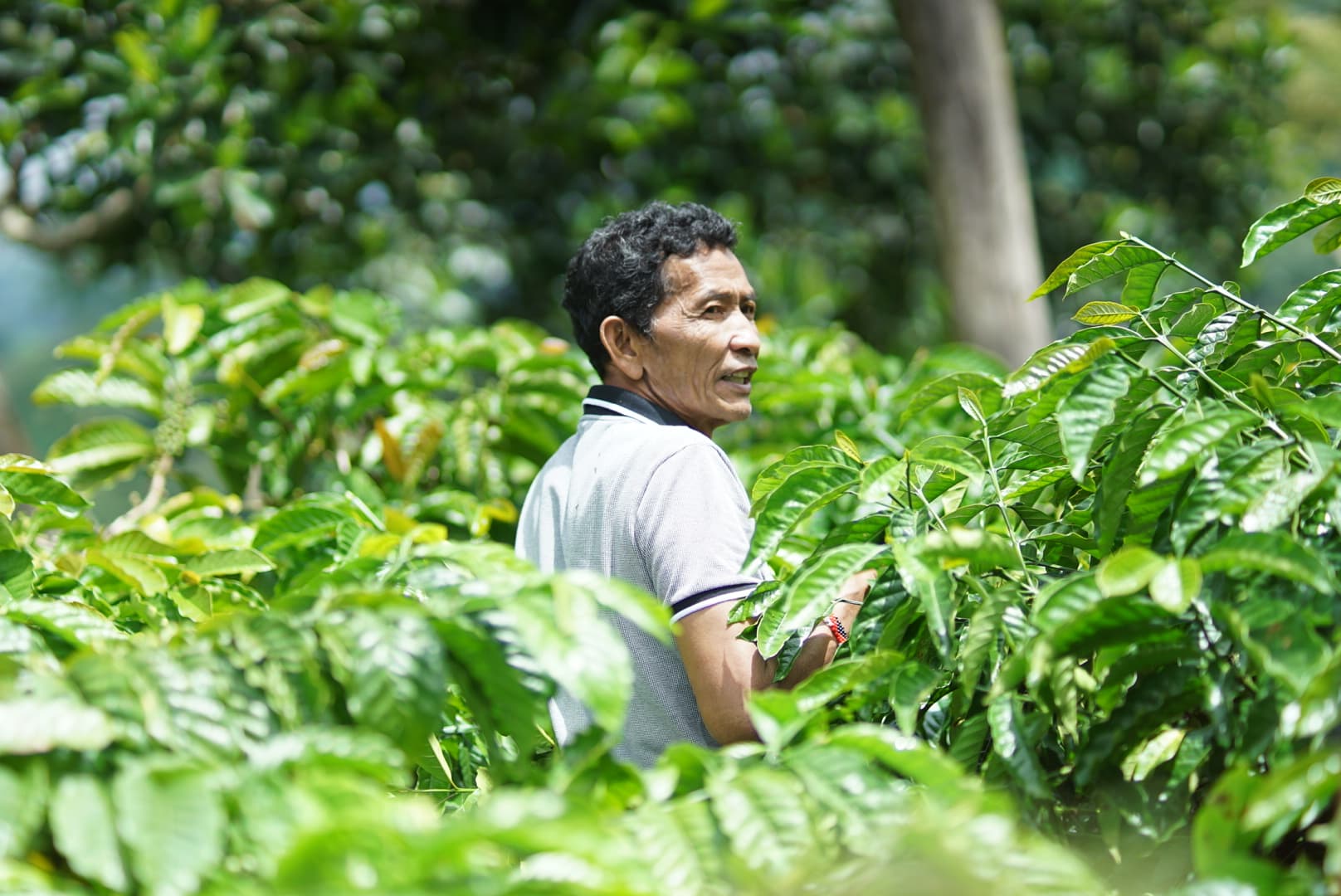
MARAMAG, Bukidnon — Long before Bukidnon earned its reputation as a major coffee-producing stronghold, Cornelio Eraya arrived in the province with little more than determination and a vision for the land—a journey that would later make him a dedicated local coffee farmer.
At 22 years old, Eraya left Visayas in search of a place where he could build a future through farming. He eventually settled in Sitio Labasak in Maramag, Bukidnon, believing the fertile highlands held the promise of a better life. More than four decades later, that dream has grown into Eraya Diversified Farm, a 29-hectare coffee farm that has become a symbol of resilience in an increasingly uncertain climate.
But coffee was never his first crop.
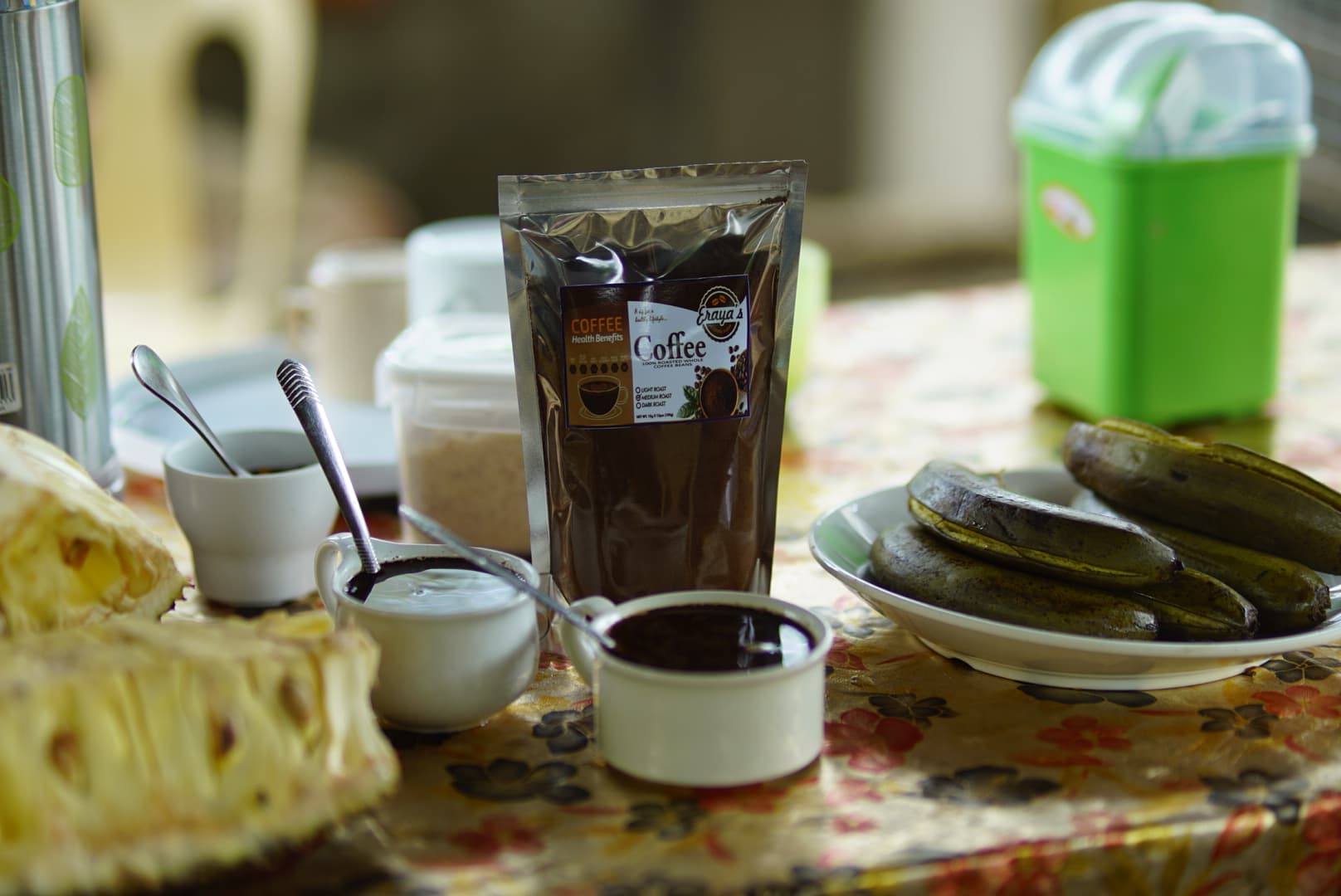
Like many farmers, Eraya initially planted corn to build enough capital for the venture he truly wanted to pursue. At the time, coffee was not considered a high-value commodity, and investing in it carried significant risk. Undeterred, he spent years traveling across different parts of Bukidnon in search of what he believed were the best seedlings, convinced that good coffee begins with strong roots.
That persistence eventually bore fruit.
What began as a modest one-hectare farm has since expanded into a thriving agricultural enterprise. The farm raised all eight of Eraya's children, who now cultivate coffee on farms of their own.
In 2021, Eraya Diversified Farm was recognized as an Agricultural Training Institute (ATI) Learning Site, allowing it to serve as a venue where fellow farmers could learn sustainable agricultural practices. As a learning site, the farm also provides a setting where other farmers can see and learn practical farming technologies and approaches that can help them adapt to changing climate conditions. Although the accreditation has expired, the family is currently working toward its renewal.
The farm's coffee has also gained national recognition. Kape Maramag, which sources its Robusta beans from Eraya's farm, emerged as the Robusta champion in the first Kape Pilipino Green Coffee Quality Competition in 2017. The competition, organized with support from the Philippine Coffee Board Inc. (PBCI), the Coffee Quality Institute (CQI), the United States Department of Agriculture (USDA), and ACDI-VOCA, showcased some of the country's best coffee beans and highlighted Bukidnon's growing reputation for quality coffee.
A shrinking harvest, a growing demand
But beneath the lush canopy of coffee trees lies a growing uncertainty. As coffee culture flourishes across the country, the farmers behind every cup face a challenge far greater than fluctuating market prices. Climate change is disrupting the weather conditions that coffee trees depend on, threatening production at a time when the Philippines already relies heavily on imported coffee to meet local demand.
As reported by BusinessWorld, citing data from the USDA, in the marketing year 2025–2026, Philippine coffee consumption is projected at about 405,000 metric tons, while domestic production is expected to reach only around 27,000 metric tons. The resulting 378,000 metric ton import reliance underlines the vast opportunity—and urgent need—to scale up local production to meet daily consumption.
Students rely on it while studying through the night, professionals reach for it before work, and families gather over cups during weekends. Demand continues to rise, but many growers fear that supply may eventually struggle to keep pace.
For Mr. Demogine Akut, farm supervisor of the Central Mindanao University Coffee and Cacao Project, one of the industry's greatest concerns is the increasing unpredictability of weather patterns.
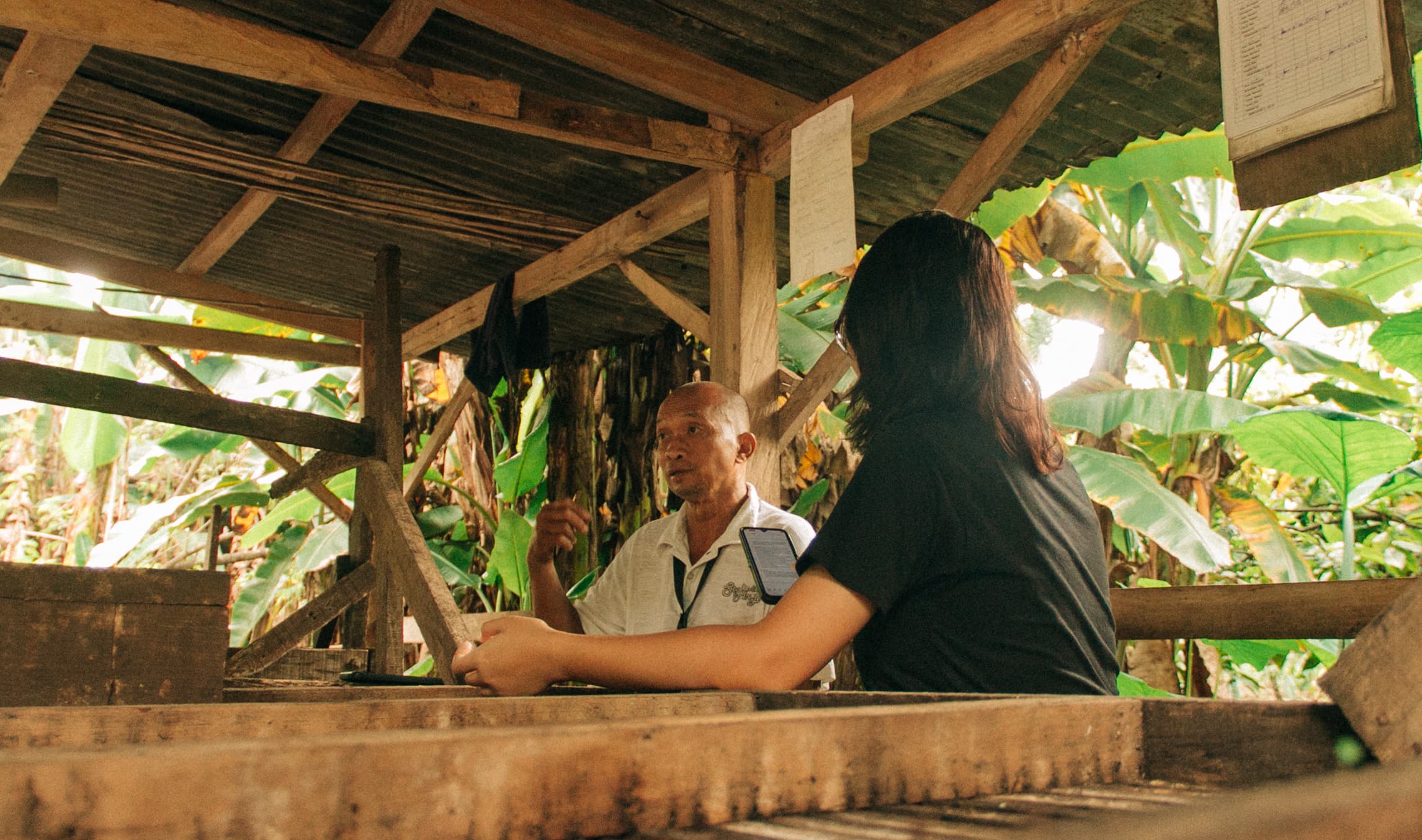
“When the weather becomes unpredictable, we also cannot be certain how much we will harvest. There are times when more beans fall earlier than expected, so we have to adjust our harvesting schedule. But when harvesting comes earlier or takes longer, it also becomes a challenge for us because we have limited manpower,” he said.
“When the weather becomes unpredictable, we also cannot be certain how much we will harvest.”
With only four personnel assigned to the Coffee and Cacao Project, periods of heavy farm activity can stretch the team thin. They often have to reach out to personnel from other university projects for additional manpower, particularly when harvesting requires more hands than the team can provide.
When the rains come before the beans are dry
For decades, coffee farmers could rely on relatively consistent seasons. Flowering commonly began around March, cooler temperatures encouraged bean development, and harvesting typically started by November. Today, those once familiar cycles are becoming increasingly erratic.
Coffee is a crop of precision, vulnerable to even subtle shifts in weather. Extended droughts cause trees to drop their blossoms early, while unseasonal downpours wash away flowers and spoil beans set out to dry. As these conditions become harder to predict, farmers also find it more difficult to plan their production around the seasons they have long depended on.
This shift matters because coffee production depends heavily on rainfall timing and temperature changes. Longer dry periods can stress coffee trees and cause blossoms to fall, while heavy or untimely rains can disrupt flowering, harvesting, and drying. As these conditions become harder to predict, farmers also find it harder to plan production around the seasons they have long depended on.
Changing climate conditions are making it more difficult for farmers to maintain both stable yields and high-quality beans, according to agriculturist Mark Anthony Lagamon of the Department of Agriculture's High Value Crops Development Program.
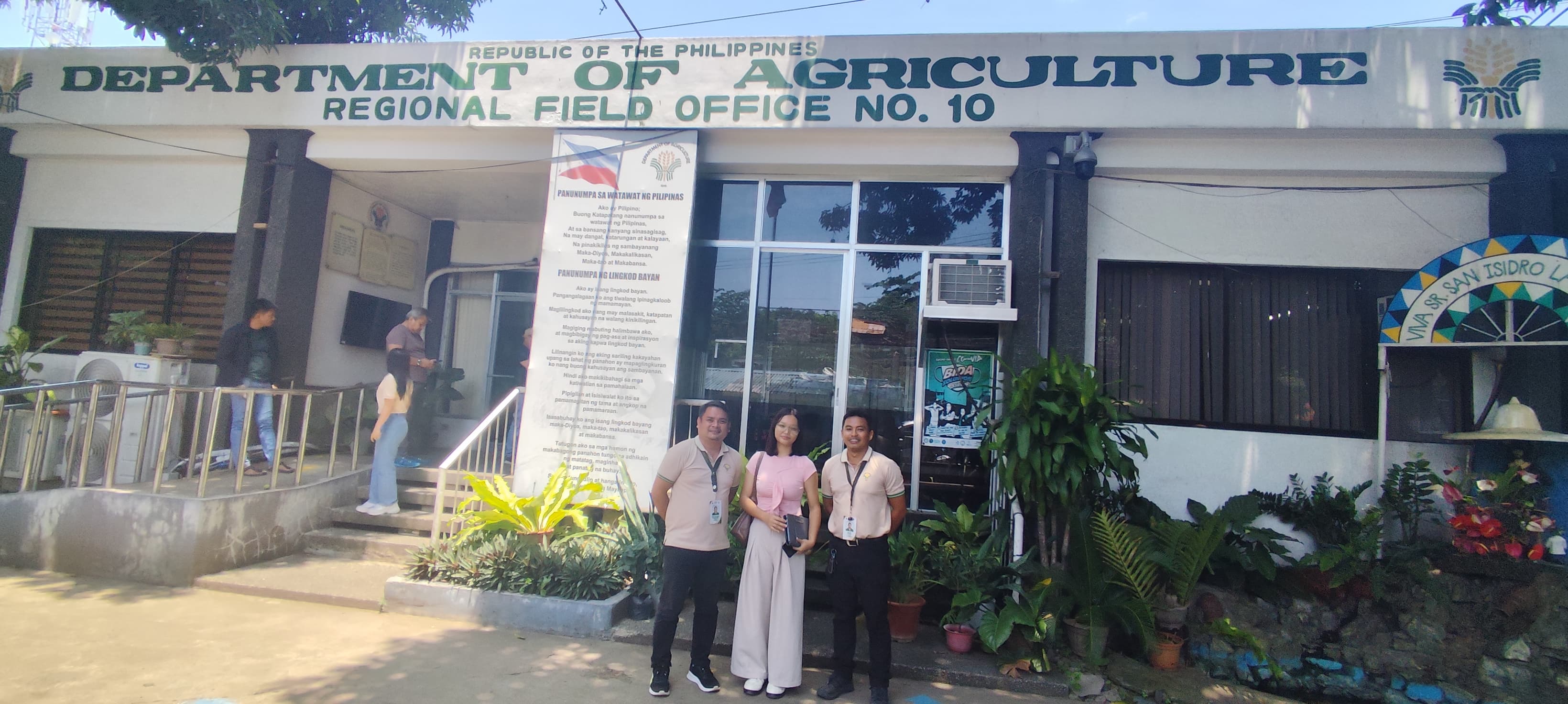
For Eraya, climate change is no longer an abstract concept discussed in reports and conferences—it is something he sees in his fields every year. "Harvests become completely unpredictable,” he added.
Unseasonal dry spells can cause coffee blossoms to fall before they fully develop, drastically reducing production. In poor seasons, a tree may yield only around two kilograms of quality beans. During favorable weather conditions, however, production can increase significantly, reaching one to one and a half sacks per tree.
Even after harvest, challenges persist.
Without access to expensive mechanical dryers, many smallholder coffee farmers continue to rely on sunlight to dry their beans. When unexpected rains arrive during the drying period, farmers must move their harvest into makeshift shelters, extending processing time and increasing the risk of mold, spoilage, and income loss.
What policy can't control
Recognizing both the opportunities and challenges facing the coffee industry, the provincial government has introduced the Bukidnon Coffee Roadmap to strengthen the sector’s long-term growth. More than simply increasing production, the roadmap focuses on building a more resilient and competitive coffee industry by supporting farmers, improving production systems, and reducing the country’s reliance on imported coffee.
To turn these goals into action, government agencies provide farmers with training, quality seedlings, and technical guidance to help them cope with the growing impacts of climate change while meeting rising domestic demand.
Still, government programs can only do so much. While policies and roadmaps provide support, they cannot stop droughts, heavier rains, or rising temperatures from reaching the farm. In the end, farmers face these challenges every day.
"Ang kape molahutay"
For Eraya, adapting has become part of the job. To lessen the impact of extreme heat, he plants leguminous trees among his coffee crops. The trees provide shade during the hottest months while naturally adding nitrogen to the soil, helping keep it fertile and reducing the need for chemical fertilizers.
He also uses scion grafting, pairing productive coffee varieties with hardier rootstock that can better withstand changing conditions. This method improves the trees’ resilience without sacrificing bean quality.
Another practice he follows is top-pruning. Once the coffee trees have developed enough primary branches, he trims their upper growth so nutrients are directed toward producing more cherries instead of growing taller. It also makes harvesting easier and tree maintenance more manageable.
These quiet—hidden behind every harvest and every bean—are seldom noticed by the people who eventually enjoy a cup of coffee. But they are where coffee’s story truly begins. Long before beans are roasted or brewed, the story begins on farms where the weather grows unpredictable each year and resilience is cultivated alongside every seedling.
More than forty years after arriving in Bukidnon, Cornelio Eraya still walks among his coffee trees with the same determination that first brought him to the province. Despite changing climates and uncertain harvests, he continues planting, pruning, and adapting.
Among coffee farmers, a familiar phrase endures: "Ang kape molahutay"—the coffee will endure.
For Cornelio Eraya, endurance is measured not only by the coffee that survives each difficult season, but by the decision to keep cultivating it, no matter what the next season may bring. Because in a changing climate, the coffee endures because the farmers do, too.

Comments